Roof decking is the structural foundation of your entire roofing system, providing the surface that shingles, underlayment, and other materials are installed on. Without solid decking, even the highest quality roofing materials cannot perform properly. Understanding the materials, installation process, and cost factors helps homeowners make informed decisions during roof replacements or repairs.
- Structural support: Roof decking provides the base layer that holds the entire roofing system in place.
- Moisture protection: Proper decking helps prevent sagging and water intrusion.
- Long term performance: Strong decking supports the lifespan of your roof.
What Is Roof Decking And Why It Matters
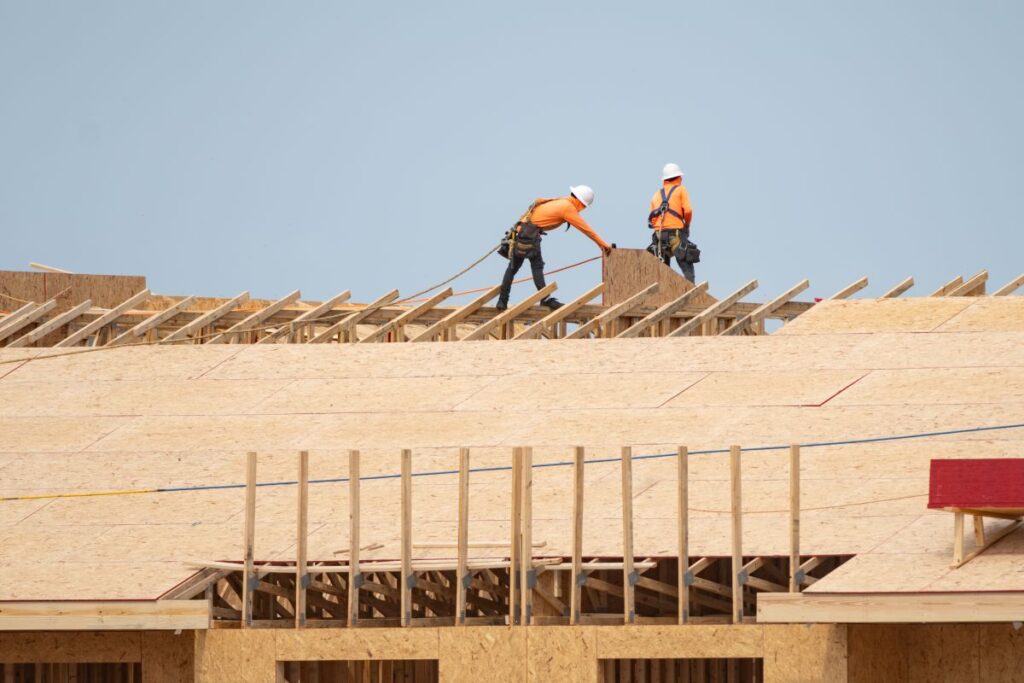
Roof decking, sometimes called roof sheathing, is the layer of material attached directly to the roof trusses or rafters. It creates a continuous surface for underlayment and shingles to be installed. Without stable decking, your roof would not have the support it needs to withstand wind, snow, and other weather conditions.
In Northern Wisconsin and the Upper Peninsula, roof decking must be strong enough to handle heavy snow loads and freeze thaw cycles. When decking becomes weakened by moisture or age, it can compromise the entire roofing system. That is why we carefully inspect decking during roof replacements and repairs.
- Load bearing role: Supports roofing materials and weather stress.
- Attachment surface: Secures underlayment and shingles.
- Damage detection: Weak decking can signal hidden moisture problems.
3 Common Roof Decking Materials
Several materials are commonly used for roof decking, each offering different strengths and price points. The most appropriate option depends on building codes, budget, and performance expectations.
1. Oriented Strand Board
Oriented strand board, often called OSB, is one of the most widely used roof decking materials today. It is made from compressed wood strands bonded with adhesive. OSB is affordable and performs well when installed correctly.
OSB is strong and consistent, but prolonged exposure to moisture can cause swelling. Proper ventilation and underlayment are essential to protect it.
- Cost effective option: Generally less expensive than plywood.
- Uniform strength: Manufactured for consistent performance.
- Moisture sensitive: Must be protected from prolonged exposure.
2. Plywood Decking
Plywood is another common material for roof decking. It is constructed from thin layers of wood veneer glued together in alternating directions. This layered design provides strong structural stability.
Plywood tends to resist moisture related swelling better than OSB, making it a preferred option in some applications. It may come at a slightly higher cost but offers reliable durability.
- Strong structural integrity: Multi layer construction.
- Improved moisture resistance: Less swelling than OSB.
- Proven performance: Long standing industry standard.
3. Plank Decking
Older homes sometimes feature plank decking made from solid wood boards. These boards were commonly used before sheet goods like OSB and plywood became standard.
Plank decking may still be structurally sound, but gaps between boards often require additional overlay when installing modern shingles. We evaluate plank decking carefully during roof replacements.
- Common in older homes: Traditional construction method.
- Gap concerns: May require additional sheathing.
- Inspection required: Condition varies widely.
How Roof Decking Is Installed
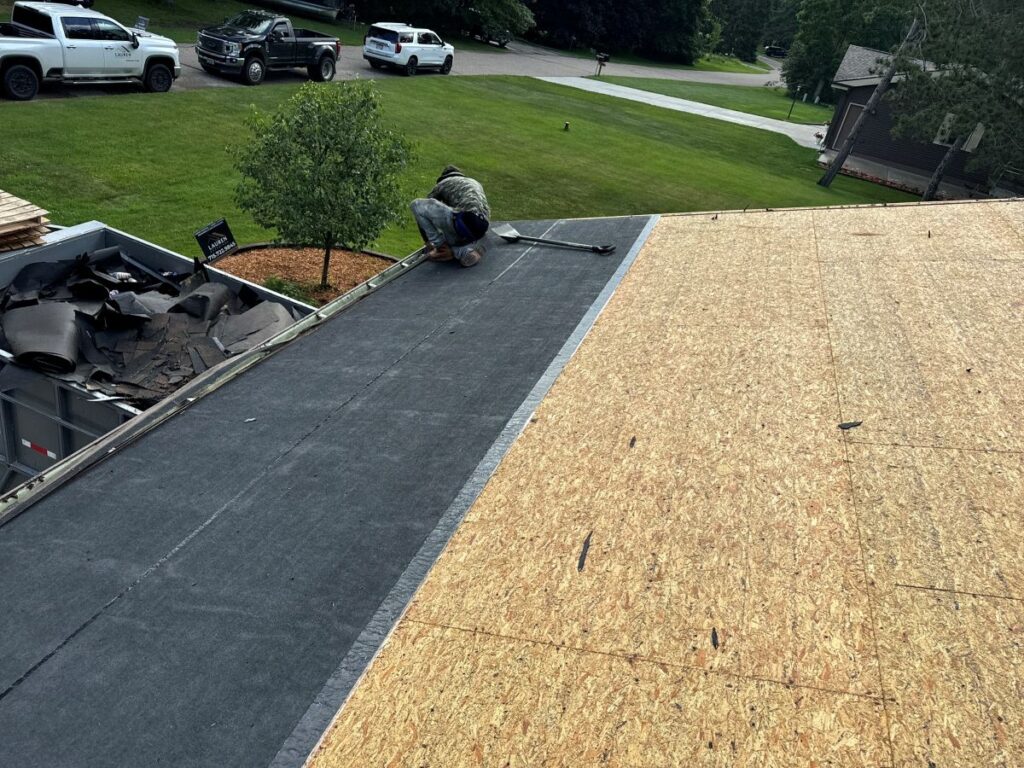
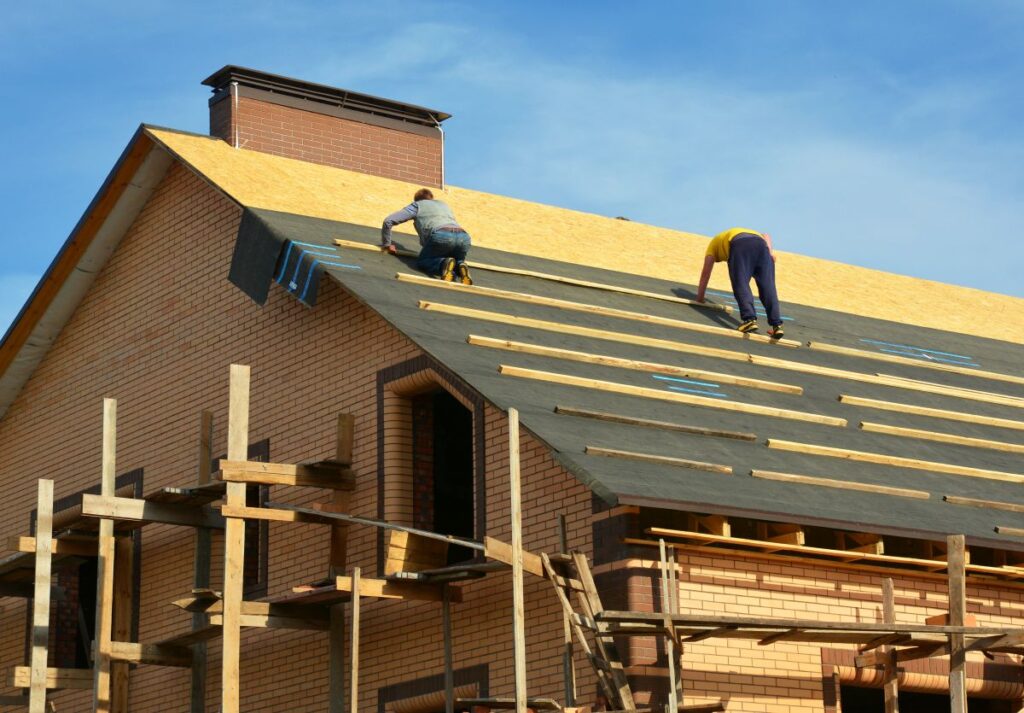
Proper installation of roof decking is critical to long term roof performance. Decking must be securely fastened to rafters or trusses using approved nails or fasteners. Spacing between panels is also important to allow for expansion and contraction.
During a roof replacement, we inspect the existing decking for signs of rot, sagging, or moisture damage. Any compromised sections are removed and replaced before installing underlayment and shingles.
- Secure fastening: Prevents movement and noise.
- Proper spacing: Allows for expansion.
- Damage replacement: Ensures solid foundation.
Signs Of Damaged Roof Decking
Roof decking is not visible from the outside once roofing materials are installed, but certain warning signs may indicate problems. Interior sagging, soft spots when walking on the roof, or persistent leaks can signal decking issues.
Moisture intrusion over time weakens wood fibers and reduces structural integrity. If decking is compromised, it must be replaced to ensure the new roofing system performs properly.
- Sagging roof lines: Indicates structural weakening.
- Soft spots: Suggest moisture damage.
- Recurring leaks: May stem from deteriorated decking.
Roof Decking Cost Factors In 2026
The cost of roof decking varies depending on material type, labor, and the extent of replacement required. In many roof replacements, only sections of decking need to be replaced rather than the entire surface.
Several factors influence cost in 2026, including lumber pricing, labor demand, and roof complexity.
Material Pricing
OSB is typically more affordable than plywood, but pricing can fluctuate based on market conditions. Lumber costs may rise or fall depending on supply and demand.
- Material selection: OSB is usually lower cost.
- Market conditions: Lumber prices can vary.
- Project scope: Full replacement increases cost.
Extent Of Damage
If only a few sheets of decking need replacement, costs remain relatively manageable. However, widespread moisture damage significantly increases both material and labor expenses.
- Partial replacement: Lower overall cost.
- Full deck replacement: Higher material needs.
- Hidden damage: May increase scope during project.
Roof Size And Complexity
Larger roofs require more decking material and labor. Complex roof designs with multiple valleys and angles can also increase installation time.
- Square footage: More area increases cost.
- Design complexity: Adds labor time.
- Accessibility: Steeper roofs require extra safety measures.
Why Professional Evaluation Matters
Determining the condition of roof decking requires experience. During a roof inspection or replacement, we carefully examine the decking for structural integrity and moisture damage. Proper evaluation ensures that no compromised sections are left in place.
Skipping decking replacement when needed can lead to future problems, even with brand new shingles. Ensuring a solid foundation protects your investment.
- Thorough inspection: Identifies hidden concerns.
- Long term protection: Prevents future failure.
- Structural confidence: Supports entire roofing system.
When Roof Decking Needs Replacement
Not every roof replacement requires full decking replacement. However, certain situations make it necessary. Prolonged leaks, severe storm damage, or structural sagging often indicate that sections must be replaced.
We always recommend addressing decking issues during roofing projects rather than postponing them. Replacing compromised decking at the right time avoids additional labor costs later.
- Water damage: Weakens structural integrity.
- Storm impact: May cause hidden issues.
- Preventative replacement: Avoids future repairs.
Build Your Roof On A Strong Foundation
Roof decking is the backbone of your roofing system, supporting shingles, underlayment, and protecting your home from structural damage. Choosing the right material, ensuring proper installation, and addressing any damage promptly are essential for long term performance. In our region, strong decking is especially important due to heavy snow and seasonal weather extremes.
At Lauren Exteriors, we are a family owned company built on honesty, integrity, and delivering real value to homeowners throughout Northern Wisconsin and the Upper Peninsula. If you are planning a roof replacement or have concerns about the condition of your decking, contact us today to schedule a free inspection. We are here to make sure your roof is built on a solid, reliable foundation.