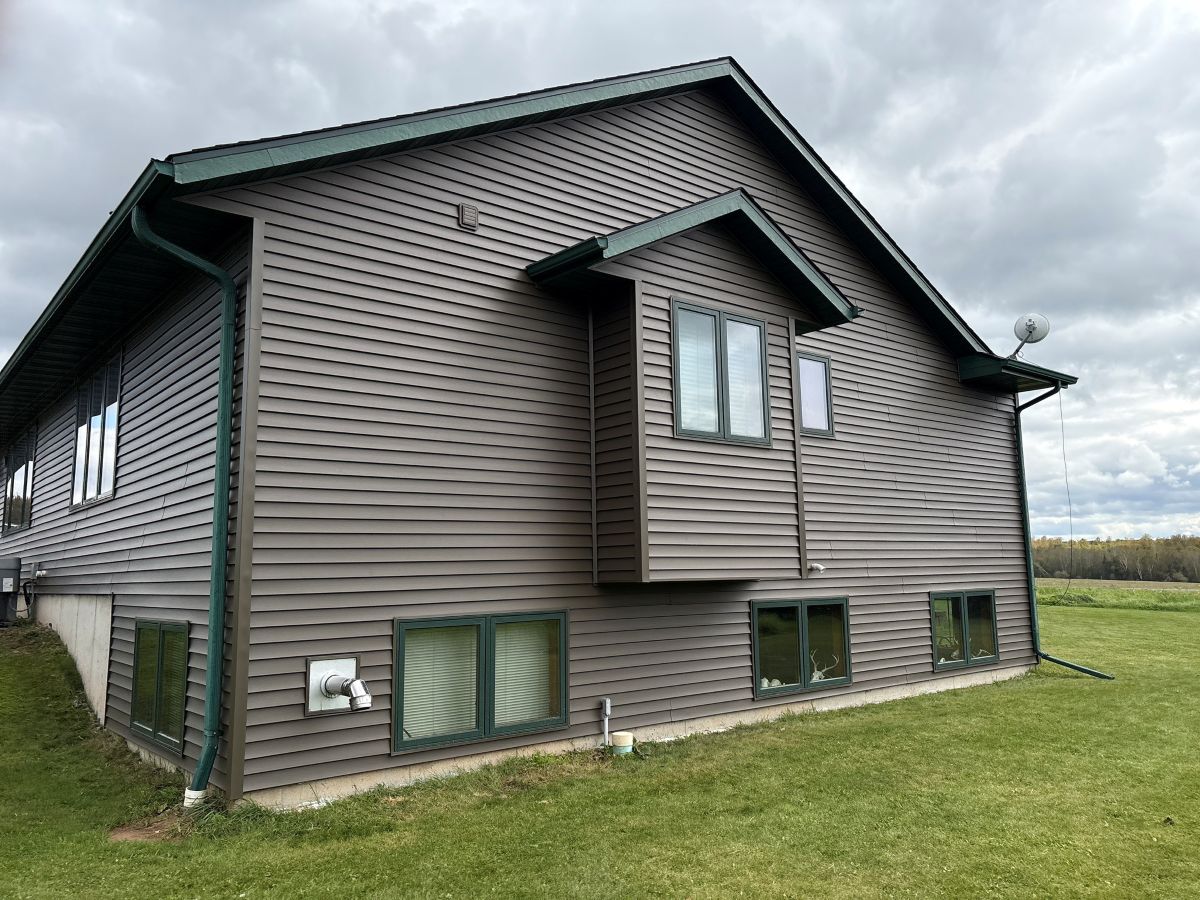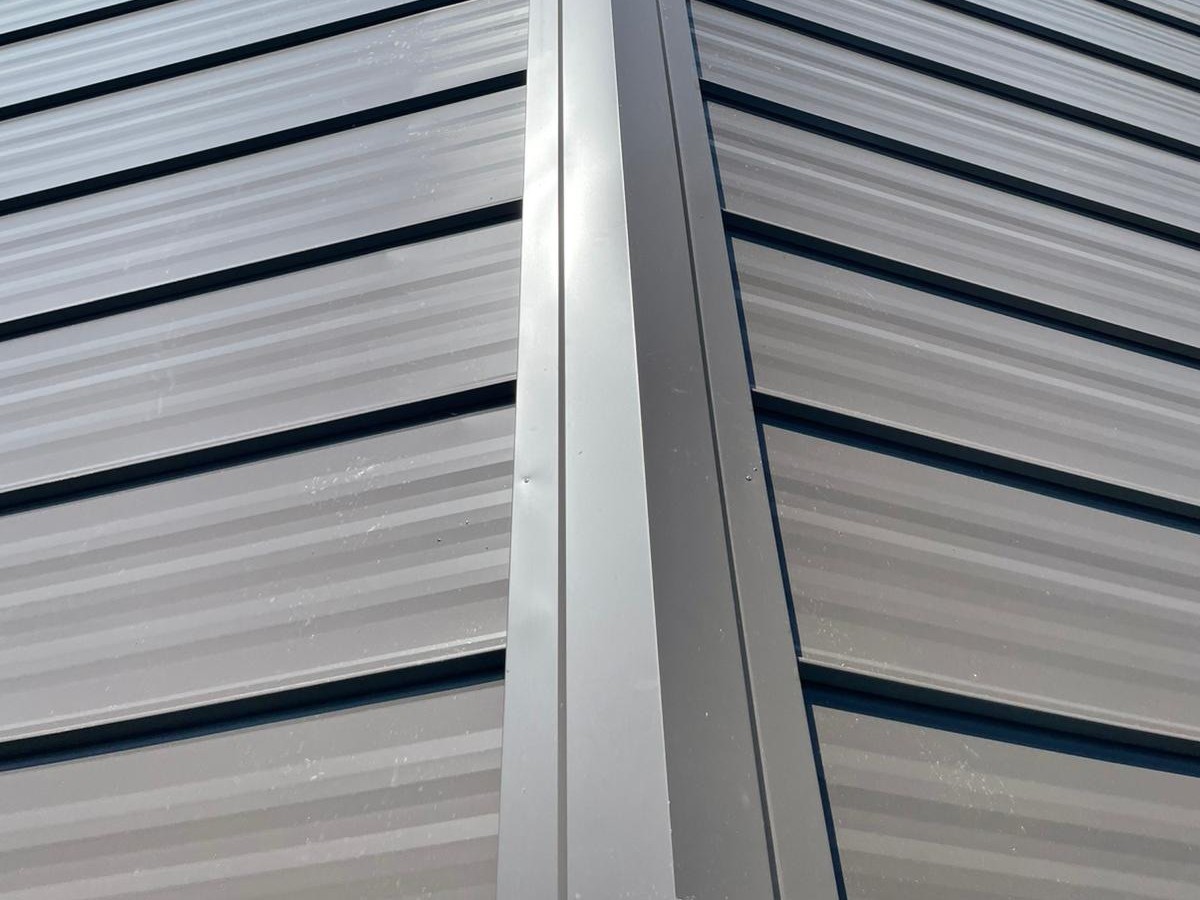
Gutter installation is one of the most important upgrades homeowners can make to protect their roof, siding, and foundation from water damage. A properly installed gutter system directs rainwater and snowmelt safely away from your home, reducing the risk of erosion, basement leaks, and exterior deterioration. When gutters are installed correctly, they help maintain the long term integrity of your entire exterior.
- Water management: Gutters control runoff and guide water away from your home.
- Foundation protection: Proper drainage prevents pooling around the base of the house.
- Exterior preservation: A well installed system protects siding, fascia, and landscaping.
Why Proper Gutter Installation Matters
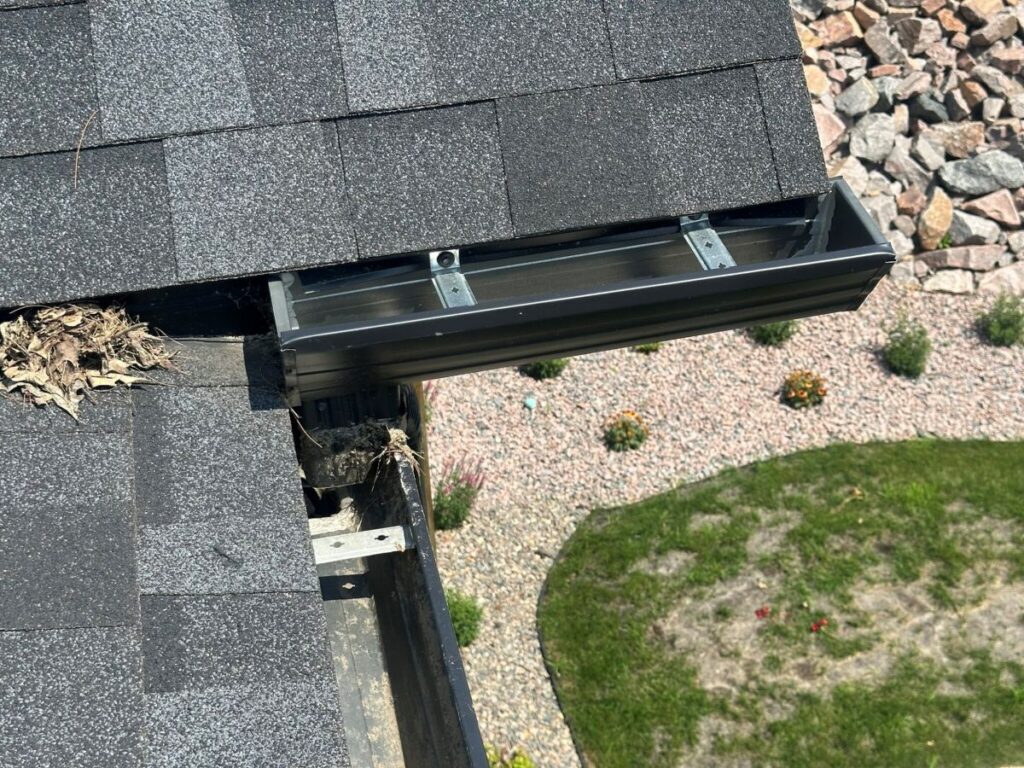
Many homeowners only notice their gutters when something goes wrong. Overflowing gutters, sagging sections, or water pooling near the foundation are all signs that the system may not be installed or functioning properly. Even small installation mistakes can lead to long term water damage.
In Northern Wisconsin and the Upper Peninsula, gutter systems must also handle heavy snowmelt and seasonal storms. Large volumes of water can move quickly off the roof during spring thaw. Proper gutter installation ensures that runoff flows efficiently through the system and away from the home.
- Overflow prevention: Correct pitch allows water to flow properly.
- Structural protection: Helps prevent fascia and soffit damage.
- Seasonal performance: Supports drainage during heavy rain and snowmelt.
6 Steps For Proper Gutter Installation
Installing gutters involves more than attaching metal channels along the roofline. Each step plays a role in ensuring the system handles water effectively and lasts for many years. Below are the six key steps involved in professional gutter installation.
- Measure the roofline and plan the layout: Accurate measurements determine gutter length, downspout placement, and overall drainage design.
- Install fascia brackets or hangers: Strong hangers secure the gutter to the fascia board and provide structural support.
- Set the correct gutter slope: Gutters must be angled slightly toward downspouts so water flows efficiently.
- Connect gutter sections and seal joints: Sections are joined and sealed to prevent leaks at connection points.
- Install downspouts and drainage outlets: Downspouts direct water from the gutter to the ground and away from the foundation.
- Test the system for proper water flow: Final testing ensures the system drains properly and identifies any adjustments needed.
Measuring And Planning The Gutter Layout
The first step in gutter installation is determining the correct layout for the system. This includes measuring the roofline, identifying drainage areas, and deciding where downspouts should be placed. Proper planning ensures water flows efficiently and does not overwhelm any single section.
Homes with complex rooflines may require multiple downspouts to handle runoff effectively. Planning also helps determine whether larger gutters are necessary for roofs with steep slopes or larger surface areas.
- Accurate measurements: Ensures correct gutter sizing.
- Downspout placement: Helps manage water volume.
- System planning: Prevents drainage bottlenecks.
Installing Strong Gutter Hangers
Gutter hangers are critical for maintaining structural stability. These brackets attach the gutter system to the fascia board and keep it securely in place. Without properly spaced hangers, gutters can sag under the weight of water, snow, and debris.
Modern gutter systems typically use hidden hangers that provide strong support while maintaining a clean appearance along the roofline.
- Structural support: Prevents gutter sagging.
- Hidden design: Improves visual appearance.
- Proper spacing: Distributes weight evenly.
Setting The Correct Gutter Pitch
Gutters must be installed with a slight slope toward the downspouts. This pitch allows water to flow naturally through the system instead of pooling inside the gutter channel. If gutters are installed too flat, water may stagnate or overflow during storms.
Even a small difference in slope can affect performance. Proper gutter installation ensures the pitch is consistent across the entire system.
- Water flow direction: Guides runoff toward downspouts.
- Overflow prevention: Reduces standing water.
- Consistent slope: Ensures reliable drainage.
Sealing And Connecting Gutter Sections
When gutter sections are connected, each joint must be sealed carefully to prevent leaks. Seams are common failure points in older systems. Proper sealing ensures water remains inside the gutter channel as it flows toward the downspouts.
Seamless gutter systems help reduce these risks by minimizing the number of joints along the roofline.
- Joint sealing: Prevents water leakage.
- System continuity: Maintains smooth water flow.
- Seam reduction: Improves durability.
Installing Downspouts For Effective Drainage
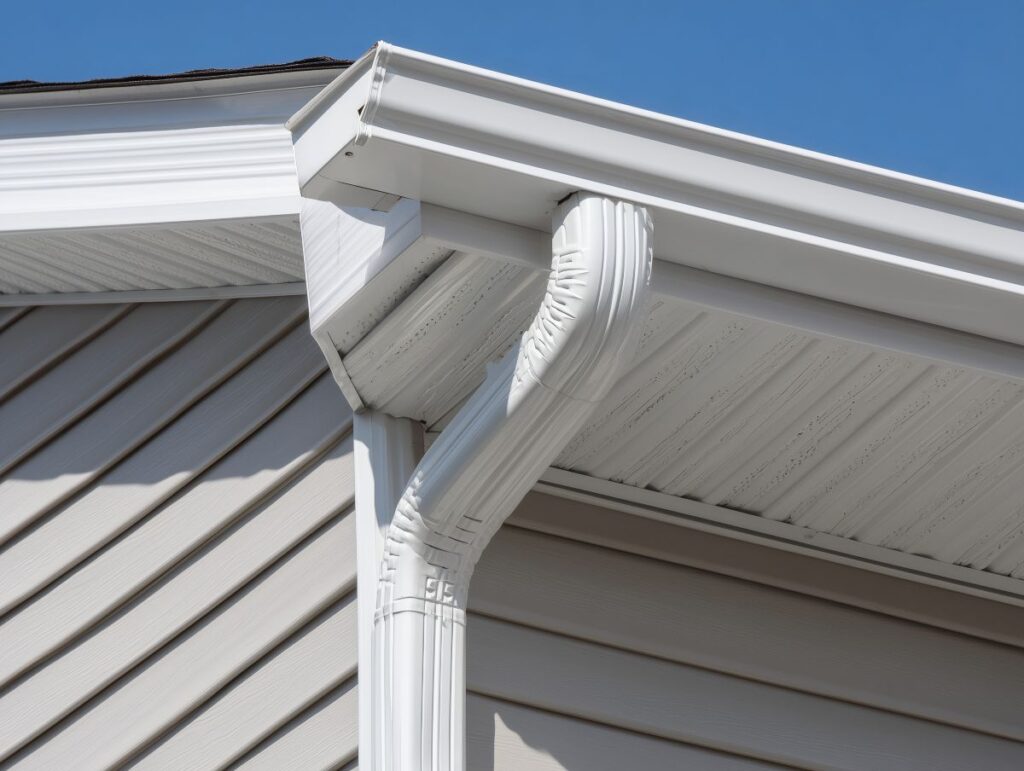
Downspouts are responsible for carrying water from the gutter system to the ground level. Without properly installed downspouts, even the best gutters cannot protect your home from water buildup.
Downspouts should extend far enough from the foundation to prevent pooling and erosion. Extensions or drainage systems may be used to direct water further away.
- Vertical drainage path: Moves water off the roofline.
- Foundation protection: Prevents water accumulation.
- Strategic placement: Balances drainage across the home.
Testing The System After Installation
After installation is complete, the gutter system should be tested to ensure proper drainage. Running water through the gutters helps confirm that slope, connections, and downspouts are working as intended.
Testing also reveals whether adjustments are needed before the system faces its first heavy storm.
- Water flow verification: Confirms proper drainage.
- Leak detection: Identifies sealing issues.
- Performance assurance: Ensures system reliability.
Common Gutter Installation Mistakes
Improper installation can reduce the effectiveness of even the best gutter systems. Some mistakes may not become obvious until after a major rainstorm.
Avoiding these issues helps ensure the system performs as designed.
- Incorrect pitch: Causes standing water.
- Insufficient hangers: Leads to sagging gutters.
- Poor downspout placement: Limits drainage capacity.
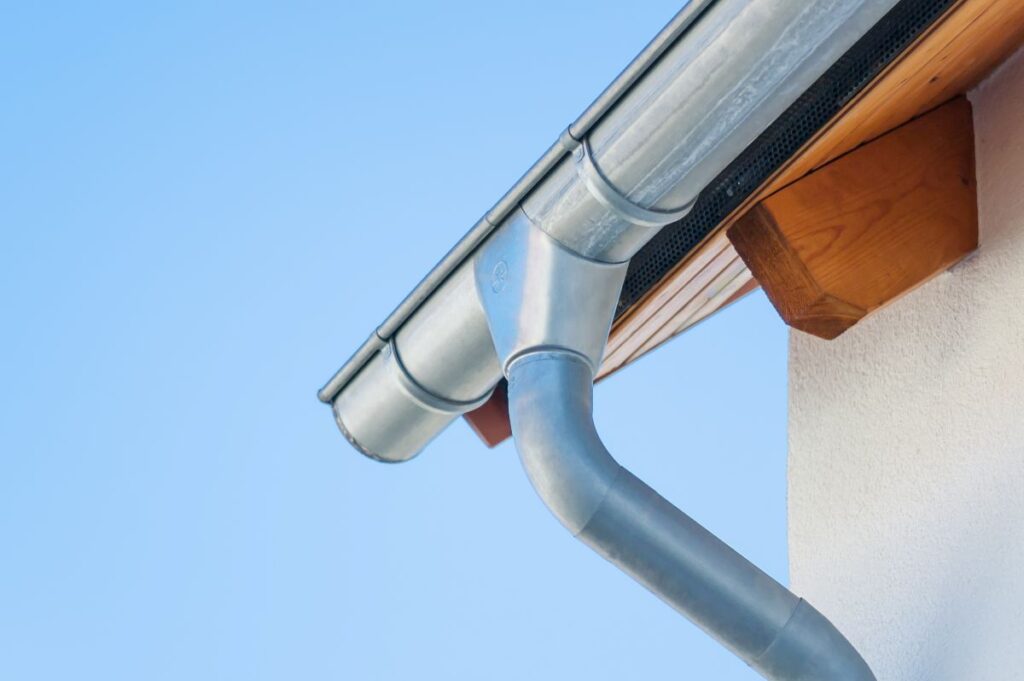
Why Professional Gutter Installation Matters
While gutter installation may seem straightforward, proper planning and precision are essential for long term performance. Factors such as roof pitch, gutter size, and downspout placement must all work together to handle water effectively.
Our team evaluates each home individually to design a system that supports proper drainage and protects the entire exterior.
- Custom system design: Tailored to your roof structure.
- Precision installation: Ensures proper slope and support.
- Long term reliability: Built to withstand storms and snow.
Protect Your Home With Proper Gutter Installation
A properly designed gutter installation system plays a vital role in protecting your home from water damage. From directing rainwater away from the roof to preventing foundation issues, gutters are an essential part of your home’s exterior defense. Following the correct installation steps ensures your system performs reliably for years to come.
At Lauren Exteriors, we are a family owned company built on honesty, integrity, and delivering real value to homeowners throughout Northern Wisconsin and the Upper Peninsula. If you are considering new gutters or want to improve your home’s drainage system, contact us today to schedule a free inspection. We are here to help protect your home with professional gutter solutions you can trust.