“Will insurance cover a 20 year-old roof” is one of the most common questions we hear from homeowners after a storm causes potential damage. The answer is not always simple because insurance coverage depends on several factors including the condition of the roof, the cause of damage, and the specific terms of your insurance policy. Every situation is different, and coverage decisions are ultimately made by the insurance company.
- Policy specific coverage: Each insurance policy has its own terms and limitations.
- Roof condition matters: The overall health of the roof plays a major role in claim decisions.
- Cause of damage: Storm damage is treated differently than aging or wear.
Why Roof Age Matters To Insurance Companies
Insurance providers consider roof age because older roofs naturally experience wear and deterioration. As roofing materials age, they become more vulnerable to wind damage, leaks, and structural issues. Because of this increased risk, insurers often apply stricter evaluation standards to older roofs.
A roof that is around 20 years old may still be in good condition if it has been properly maintained and installed correctly. However, if the roof shows signs of aging such as curling shingles, granule loss, or prior repairs, insurance companies may be more cautious when reviewing a claim.
- Material lifespan: Asphalt shingles often have a limited service life.
- Maintenance history: Well maintained roofs may perform better.
- Inspection findings: Adjusters evaluate the roof’s condition closely.
4 Factors That Influence Insurance Coverage For Older Roofs
When determining whether insurance may cover damage on an older roof, several factors are considered. Insurance companies evaluate both the condition of the roof and the circumstances surrounding the damage. These four factors are some of the most important elements insurers review during the claims process.
1. Cause Of The Damage
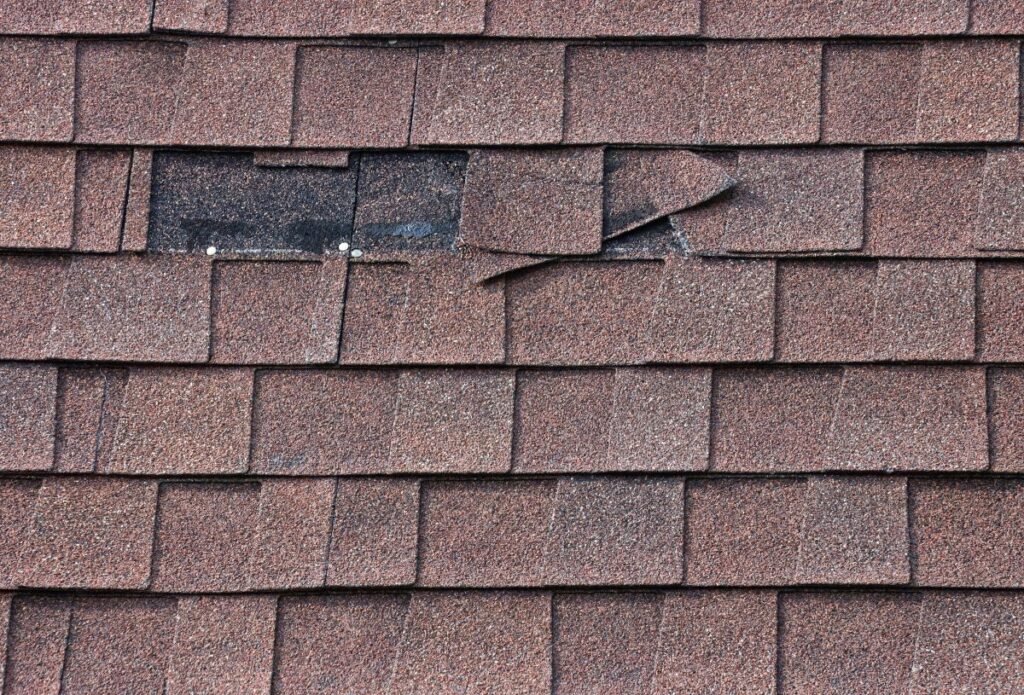
The cause of the damage is one of the most important factors insurance companies evaluate. Insurance policies are typically designed to cover sudden and accidental damage caused by events such as wind, hail, or falling debris. If a storm caused shingles to lift, crack, or detach, the damage may qualify for coverage depending on the policy.
However, if the damage appears to be the result of gradual aging or poor maintenance, coverage is often denied. Insurance providers carefully review inspection findings to determine whether the damage was truly storm related.
- Storm related events: Wind or hail damage may qualify for coverage.
- Sudden occurrence requirement: Insurance focuses on unexpected damage.
- Age related wear: Gradual deterioration is typically excluded.
2. Condition Of The Roof Before The Storm
Insurance companies also consider the condition of the roof before the storm occurred. If a roof was already deteriorating before the weather event, insurers may argue that the storm was not the primary cause of the damage. In these situations, coverage may be reduced or denied entirely.
On the other hand, if a roof was well maintained and structurally sound prior to the storm, there is a stronger case that the damage resulted directly from the weather event. Documentation and inspections often play a key role in supporting this evaluation.
- Pre existing wear: Prior damage may impact coverage.
- Maintenance history: Well maintained roofs may receive stronger consideration.
- Inspection evidence: Condition assessments influence claim outcomes.
3. Type Of Insurance Policy
Not all insurance policies provide the same level of coverage for older roofs. Some homeowners have replacement cost policies, while others have actual cash value policies. The difference between these two types can significantly affect how much an insurer may pay toward a roof repair or replacement.
Replacement cost coverage generally pays for the cost to repair or replace damaged materials minus the deductible. Actual cash value policies factor in depreciation based on roof age, which means the payout may be significantly lower for a 20 year old roof.
- Replacement cost coverage: Typically provides higher payouts.
- Actual cash value policies: Depreciation reduces payment amounts.
- Policy terms: Coverage details vary by insurer.
4. Inspection And Documentation
The inspection process plays a major role in determining whether insurance will cover damage to an older roof. Insurance adjusters evaluate the roof to identify storm damage, wear patterns, and overall condition. Their findings influence how the claim is processed.
Proper documentation can strengthen a claim by showing clear evidence of storm related damage. Photos, inspection reports, and storm date verification all help demonstrate that the damage was caused by a specific weather event rather than normal aging.
- Adjuster evaluation: Inspection findings influence coverage decisions.
- Photo documentation: Supports storm damage claims.
- Storm verification: Confirms timing of damage.
Storm Damage Versus Normal Wear
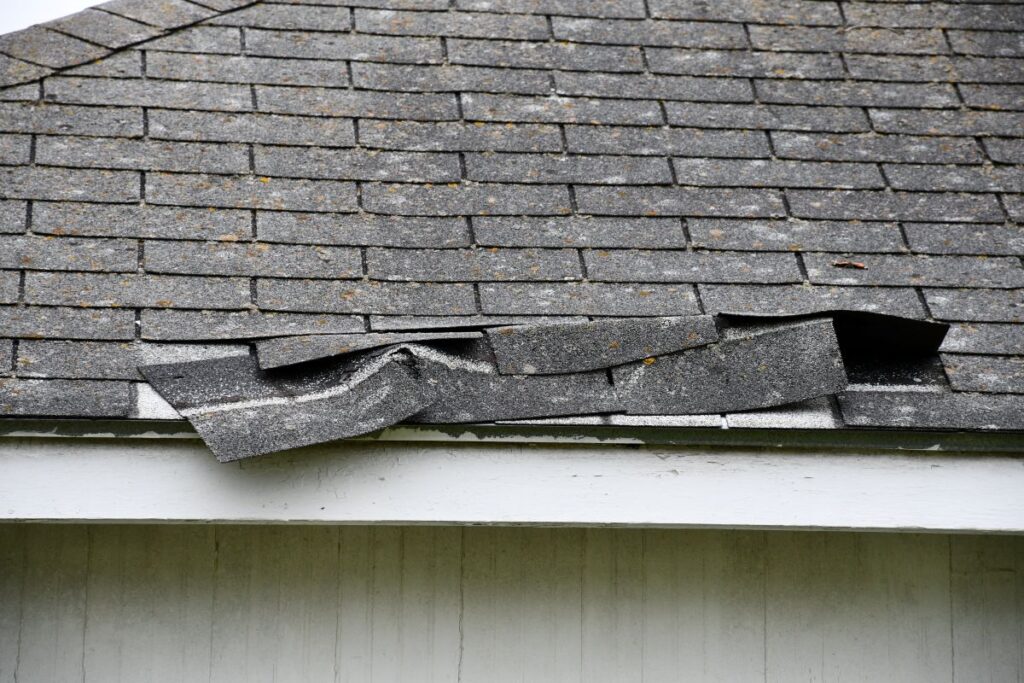
One of the most important distinctions insurance companies make is whether damage was caused by a storm or by gradual aging. Insurance policies are generally designed to cover sudden events rather than normal wear and tear.
For example, hail strikes or strong winds may damage shingles and qualify for coverage. However, cracking or deterioration caused by years of exposure to the elements is typically considered maintenance related and may not be covered.
- Sudden storm damage: May qualify for coverage.
- Long term deterioration: Usually excluded from claims.
- Evidence review: Insurers analyze the cause of damage.
Our Storm Damage Insurance Claim Assistance
Navigating insurance claims can be stressful, especially when dealing with an older roof and unclear coverage. Our team provides storm damage insurance claim assistance to help homeowners understand the process and ensure the roof is evaluated accurately.
We help document damage, explain what adjusters may look for, and meet with insurance inspectors during evaluations. While we do not determine coverage decisions, we help ensure that storm related damage is properly identified and documented.
- Damage documentation: We help identify and record storm related issues.
- Adjuster coordination: We can meet with insurance inspectors.
- Process guidance: We help homeowners understand next steps.
When A Roof Replacement May Be Recommended
If a roof is nearing the end of its lifespan, replacement may sometimes be the most reliable solution. Even if insurance coverage is not approved, replacing an aging roof can prevent ongoing leaks and structural damage.
A professional roof inspection helps determine whether repairs, an insurance claim, or full replacement is the best option for your home.
- End of lifespan: Older roofs may require replacement.
- Recurring leaks: Frequent problems may signal deeper issues.
- Long term planning: Replacement can provide peace of mind.
Get Clear Answers About Your Roof And Insurance Coverage
Understanding will insurance cover a 20 year-old roof depends on several factors including the cause of damage, roof condition, and the type of insurance policy. Coverage decisions are often subjective and based on inspection findings and policy language.
At Lauren Exteriors, we are a family owned company built on honesty, integrity, and delivering real value to homeowners throughout Northern Wisconsin and the Upper Peninsula. If your roof has been damaged by a storm or you are unsure whether insurance may apply, contact us today to schedule a free inspection. We are here to help document damage, provide storm damage insurance claim assistance, and guide you through the process with clarity and confidence.