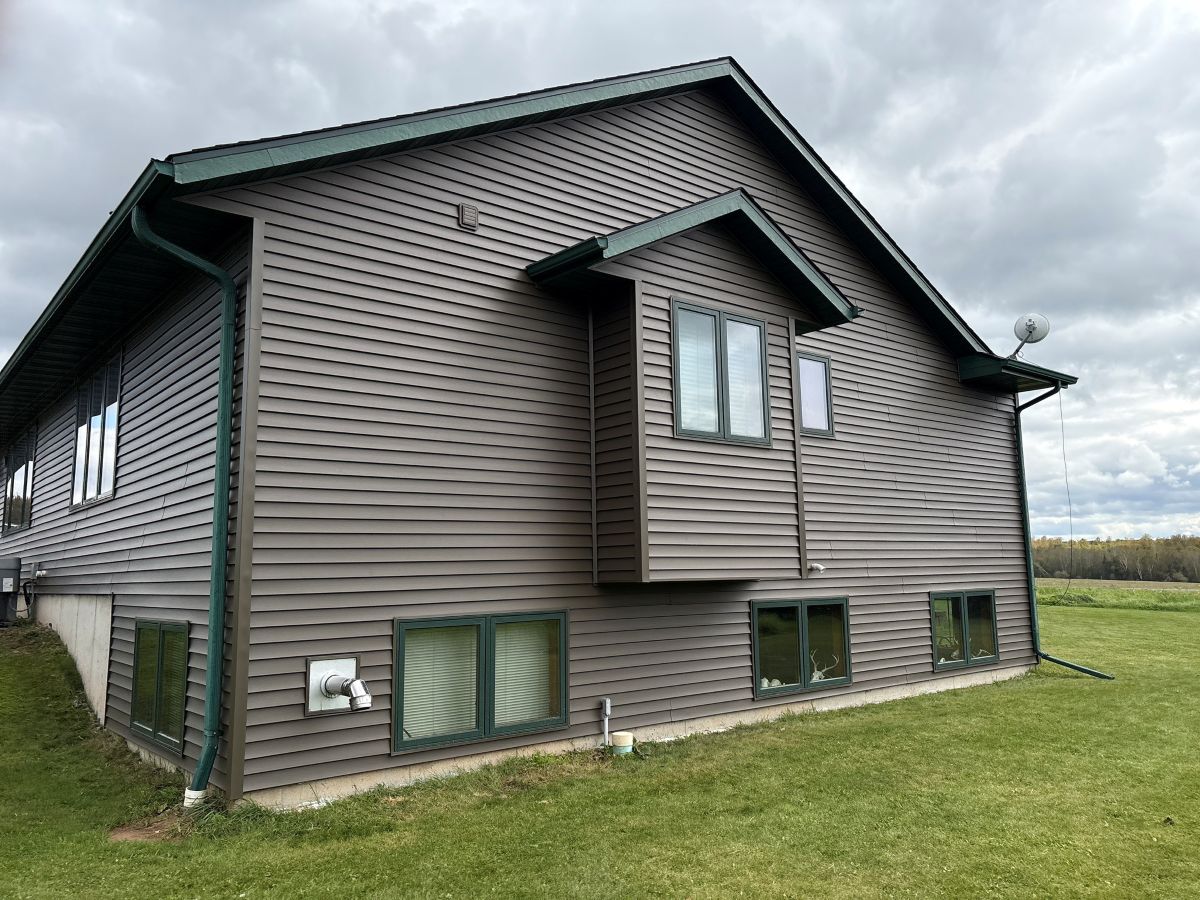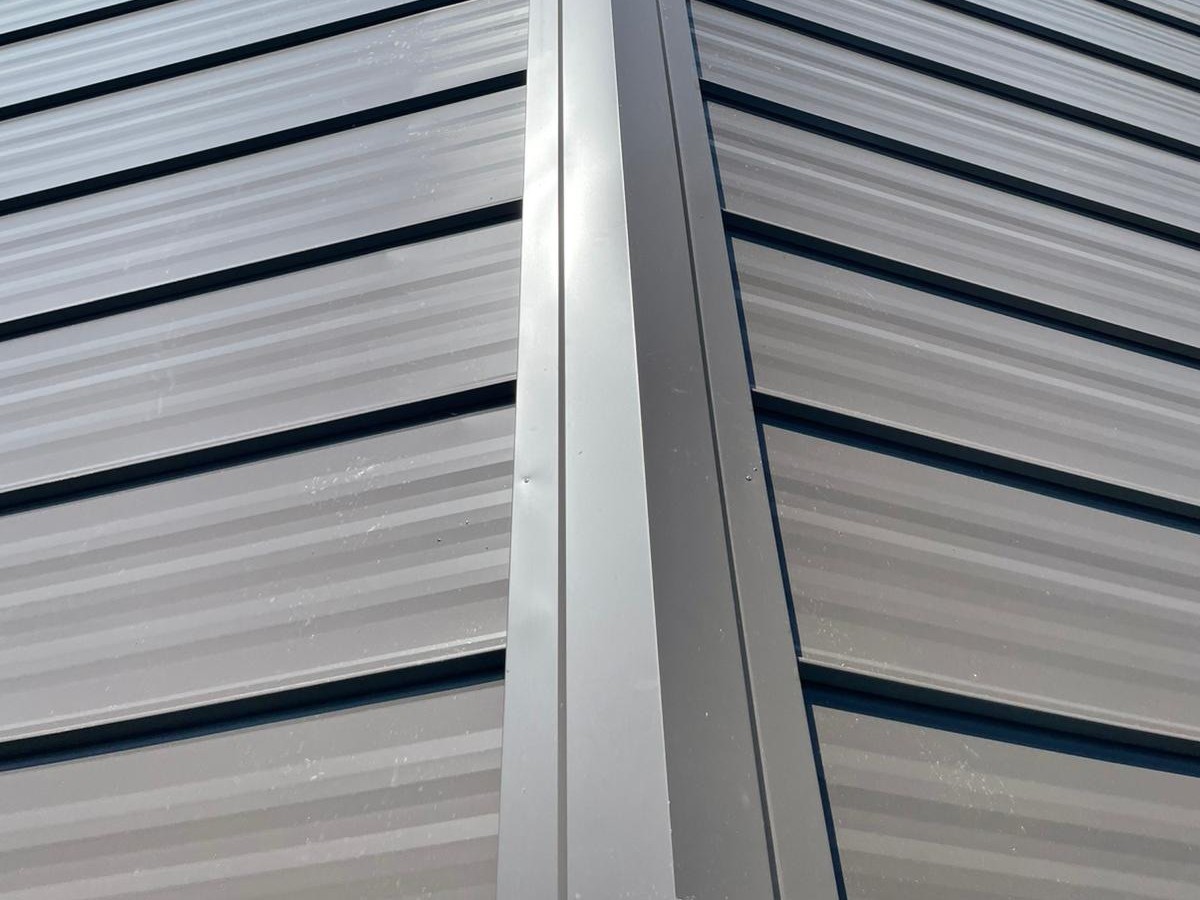
Gutter sizes play a major role in how well your home handles rainwater, snowmelt, and seasonal storms throughout the year. Many homeowners focus on roofing materials and siding but overlook the importance of properly sized gutters. Choosing the correct size ensures water is directed safely away from your roof, siding, and foundation.
- Proper drainage: Correct sizing helps manage heavy rainfall effectively.
- Foundation protection: Adequate gutters prevent water from pooling near your home.
- Long term durability: Right sized systems reduce overflow and structural strain.
Why Gutter Size Matters More Than You Think
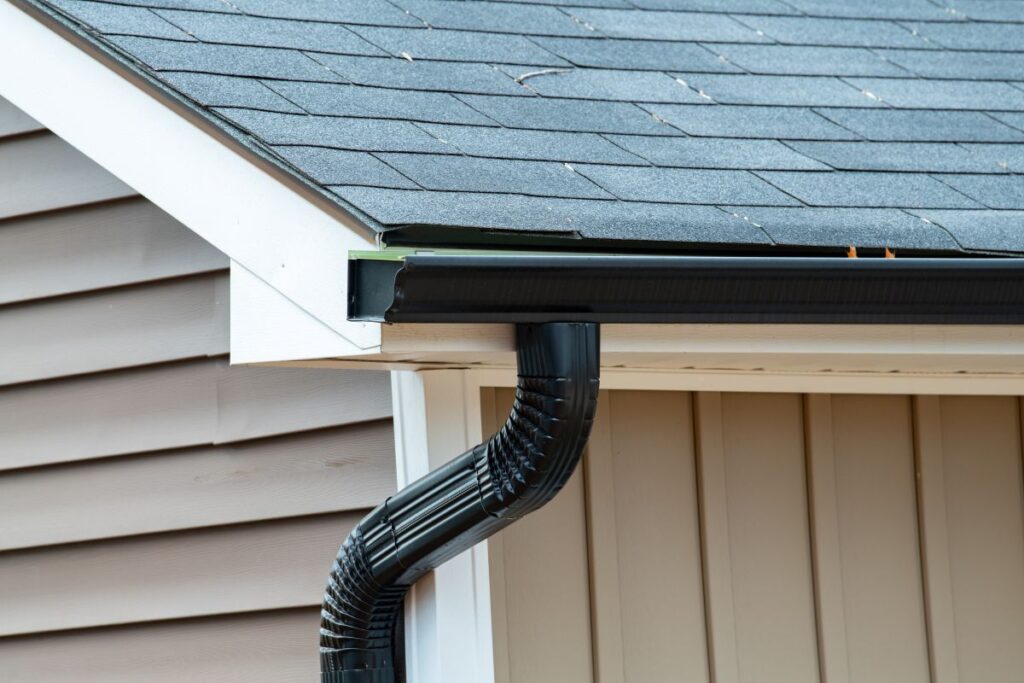
Gutters are designed to collect and channel water away from your home’s exterior. When gutters are too small, they can overflow during heavy rain or rapid snowmelt. This overflow may lead to fascia damage, siding staining, basement leaks, and foundation issues.
In Northern Wisconsin and the Upper Peninsula, snow accumulation and freeze thaw cycles add additional stress. During spring melt, large volumes of water can flow quickly off the roof. Properly sized gutters are essential for managing this surge and protecting your home from moisture damage.
- Overflow prevention: Reduces water spilling over edges.
- Ice management: Helps handle rapid snowmelt.
- Structural protection: Safeguards siding and foundation.
Common Residential Gutter Sizes
Most residential homes use one of two standard gutter sizes. The right choice depends on roof size, pitch, and the amount of water runoff your roof generates.
5 Inch Gutters
Five inch gutters are the most common size for residential homes. They are typically paired with standard sized downspouts and work well for smaller or moderately pitched roofs.
These gutters can handle average rainfall for many homes. However, for larger roofs or regions with heavy precipitation, they may not provide enough capacity during intense storms.
- Standard residential option: Common on many homes.
- Moderate capacity: Suitable for average rainfall.
- Cost effective choice: Typically less expensive than larger systems.
6 Inch Gutters
Six inch gutters offer increased capacity and are becoming more popular, especially in areas with heavy rain or snow. They can handle significantly more water than five inch systems and reduce the risk of overflow.
We often recommend six inch gutters for homes with steep roof pitches, large surface areas, or metal roofing systems that shed water quickly.
- Higher water capacity: Handles heavier runoff.
- Overflow reduction: Ideal for storm prone areas.
- Large roof compatibility: Works well with expansive roofs.
5 Inch Vs 6 Inch Gutter Sizes
Homeowners often ask whether upgrading from five inch to six inch gutters is worth it. The answer depends on roof design and local weather patterns.
Five inch gutters may be sufficient for smaller homes with gentle slopes. Six inch systems provide additional protection and peace of mind, especially during severe storms or rapid snowmelt.
- Capacity difference: Six inch gutters carry more water.
- Storm readiness: Larger gutters perform better in heavy rain.
- Long term protection: Reduced overflow risk.
4 Factors That Determine What Gutter Size Your Home Needs
Choosing the correct gutter size is not simply about preference. Several factors influence what will work best for your home.
1. Roof Size And Surface Area
Larger roofs collect more water during rainfall. The more square footage your roof has, the greater the volume of water that must be managed.
Homes with large footprints or multiple roof sections often benefit from larger gutter systems.
- Greater runoff volume: Larger roofs require greater capacity.
- Multi section designs: May increase water concentration.
- Sizing importance: Proper calculation prevents overflow.
2. Roof Pitch
Steeper roofs shed water more quickly than low slope roofs. Rapid runoff can overwhelm smaller gutters during heavy storms.
Homes with steep pitches often require six inch gutter systems to manage faster moving water.
- Rapid water flow: Steep slopes increase speed.
- Higher peak volume: Storm water moves quickly.
- Capacity matching: Gutter size must keep up.
3. Local Rainfall And Snowfall
Regional weather patterns matter significantly when evaluating gutter sizes. In our service area, heavy snow followed by sudden thaw can create large amounts of runoff in a short period.
Homes in high precipitation regions benefit from larger capacity systems.
- Snowmelt surges: Spring thaw increases water flow.
- Heavy rain events: Intense storms require strong drainage.
- Climate driven decisions: Weather influences sizing.
4. Downspout Size And Placement
Gutters work in combination with downspouts. Even properly sized gutters can fail if downspouts are undersized or poorly placed.
Increasing downspout size or adding additional downspouts can improve drainage efficiency.
- Balanced system: Gutters and downspouts must align.
- Proper spacing: Prevents bottlenecks.
- Drainage efficiency: Supports water flow away from home.
Signs Your Current Gutters Are Too Small
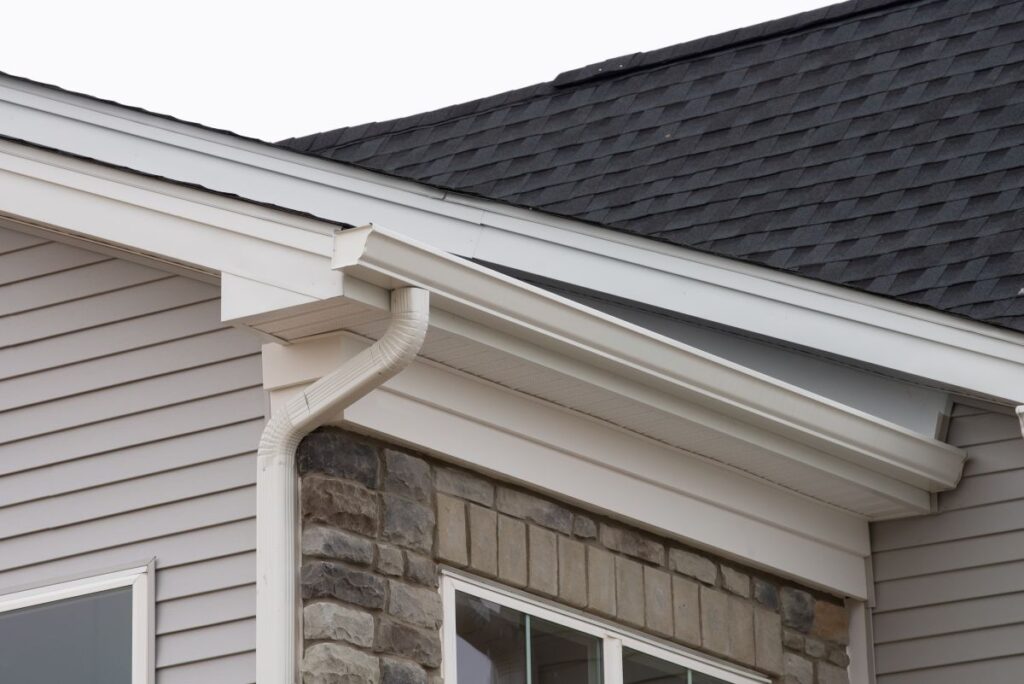
Sometimes homeowners already have gutters installed but experience recurring overflow issues. This may indicate that the system is undersized for the home.
Overflow during moderate rainfall, staining on siding, or pooling near the foundation are warning signs.
- Frequent overflow: Water spills during normal storms.
- Siding streaks: Indicates repeated runoff.
- Foundation pooling: Suggests inadequate drainage.
Seamless Gutters And Capacity Considerations
Seamless gutter systems reduce the likelihood of leaks at joints and provide a cleaner appearance. While seamless design improves durability, size still determines capacity.
When installing seamless systems, we evaluate roof area, pitch, and local climate to determine whether five inch or six inch gutters are most appropriate.
- Leak reduction: Fewer joints mean fewer failure points.
- Custom fit: Seamless systems are measured to your home.
- Capacity still matters: Size selection remains critical.
Why Professional Evaluation Matters
Determining the right gutter sizes requires evaluating multiple variables. Guessing can lead to underperformance and long term water damage.
We assess roof pitch, square footage, water flow patterns, and local weather trends before making recommendations. This ensures your gutter system is designed to perform reliably year after year.
- Accurate measurements: Ensures correct sizing.
- Climate awareness: Accounts for regional conditions.
- Long term protection: Reduces risk of overflow damage.
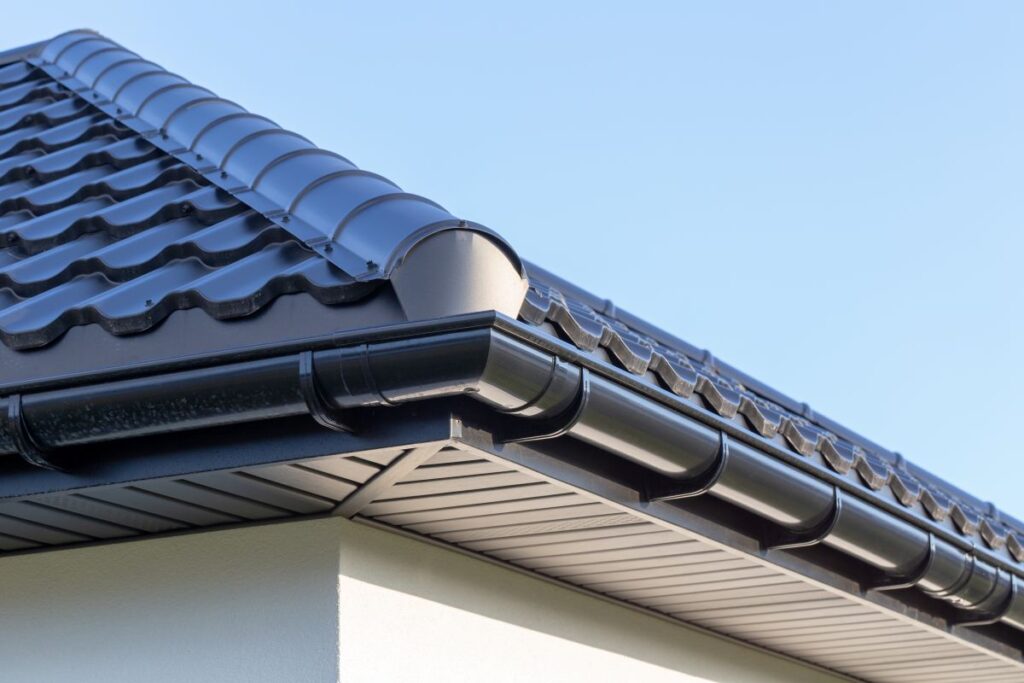
Choose The Right Gutter Sizes With Confidence
Selecting the proper gutter sizes is essential for protecting your roof, siding, and foundation from water damage. Five inch gutters may work for smaller homes, while six inch systems provide greater capacity for larger or steeper roofs. The right choice depends on your home’s design and local weather conditions.
At Lauren Exteriors, we are a family owned company built on honesty, integrity, and delivering real value to homeowners throughout Northern Wisconsin and the Upper Peninsula. If you are unsure whether your current gutters are properly sized or are considering an upgrade, contact us today to schedule a free inspection. We are here to help you choose the right system and protect your home with confidence.