Roofing insurance is one of the most confusing parts of homeownership, especially after storm damage when homeowners are looking for clear answers. We want to be upfront from the start that coverage is not guaranteed and is highly subjective. What is covered and what is not depends on your individual policy, the cause of damage, roof condition, and how the insurance company evaluates the claim.
- Policy dependent: Coverage varies widely based on individual insurance policies.
- Cause specific: Storm damage is treated differently than wear and tear.
- Subjective outcomes: Claims depend on adjuster findings and documentation.
Why Roofing Insurance Coverage Is Not Black And White
One of the biggest misconceptions we hear is that roofing insurance automatically covers roof damage. In reality, coverage decisions are based on detailed policy language, exclusions, roof age, and how damage is classified. Two homeowners on the same street can experience very different outcomes from the same storm.
Insurance companies focus on whether damage was caused by a sudden, qualifying event or by long term deterioration. Even legitimate storm damage can be denied if it cannot be clearly tied to a specific event or is determined to be pre existing.
- Policy language controls decisions: Coverage is based on written terms.
- Inspection interpretation matters: Adjuster assessments vary.
- Documentation is critical: Evidence supports valid claims.
What Roofing Insurance May Cover After A Storm
While coverage is never guaranteed, there are common scenarios where roofing insurance may apply. These situations usually involve sudden, accidental damage caused by qualifying weather events. Even then, deductibles, depreciation, and policy limits play a role.
3 Types of Damage
Below are common types of damage that may be eligible for coverage, depending on your policy.
- Wind damage: Missing shingles, lifted tabs, or creased shingles caused by strong winds may qualify for coverage.
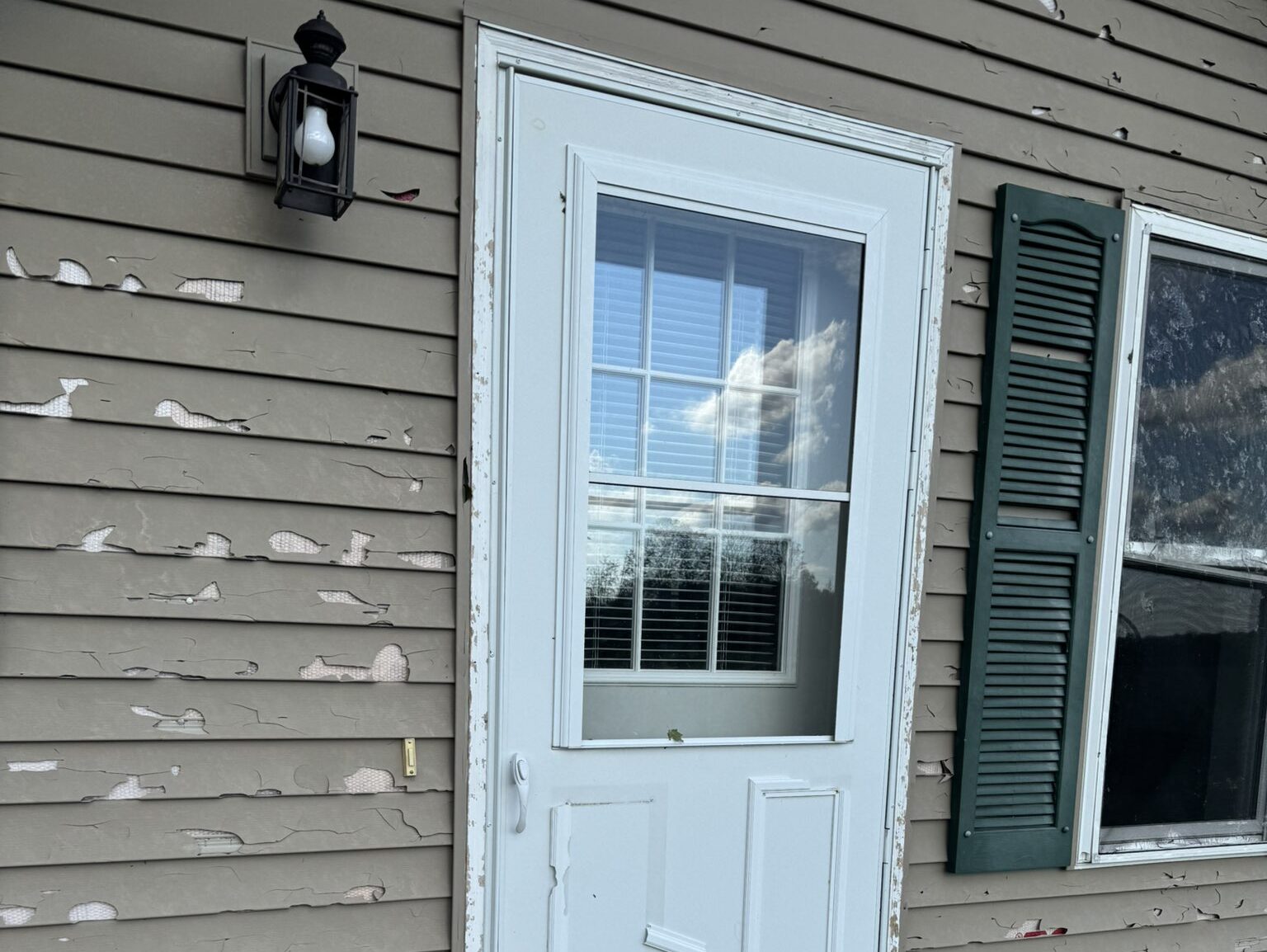
- Hail damage: Impact marks that meet insurer size and density requirements may be considered storm damage.
- Falling debris damage: Trees or branches that fall during a storm and damage the roof may be covered.
- Interior damage from a covered event: Ceiling, drywall, or insulation damage linked to approved roof damage may be included.
- Emergency mitigation: Temporary measures like tarping may be reimbursable depending on policy terms.
What Roofing Insurance Often Does Not Cover
Knowing what is commonly excluded is just as important as understanding potential coverage. Many denied claims fall into predictable categories that homeowners are not aware of until after filing.
Wear And Tear Or Aging Roofs
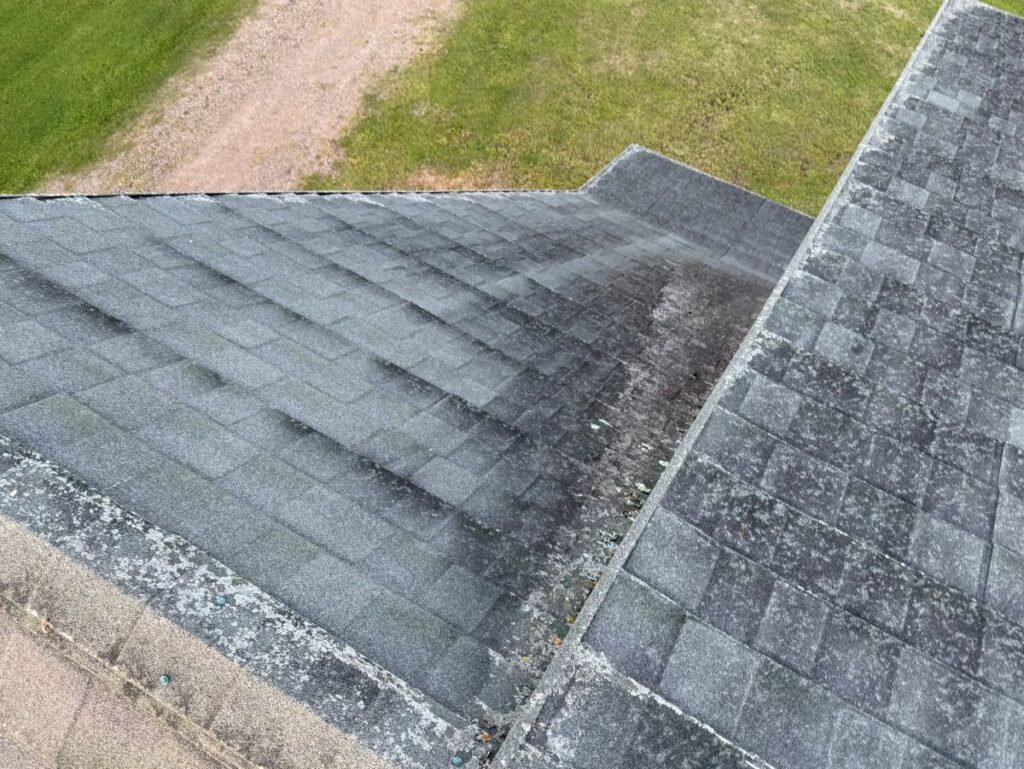
Roofing insurance does not cover normal aging or deterioration. Shingles that fail due to age, poor ventilation, or long term exposure are considered maintenance issues, not sudden damage.
- Age related failure: Not considered a covered event.
- Gradual deterioration: Typically excluded.
- Older roof scrutiny: Coverage becomes more limited with age.
Improper Installation Or Maintenance Issues
If damage is linked to installation defects or lack of maintenance, insurance companies often deny coverage. Insurance is designed to cover sudden events, not workmanship problems.
- Installation errors: Usually excluded.
- Maintenance neglect: Can void coverage.
- Inspection findings: Often cited in denials.
Cosmetic Damage Only
Some policies exclude cosmetic damage, especially for metal roofing. If the roof still functions properly, visible dents or marks may not qualify for coverage.
- Functional focus: Performance matters more than appearance.
- Policy specific exclusions: Cosmetic clauses vary.
- Material dependent: Common with metal roofs.
How Roofing Insurance Claims Are Evaluated
Roofing insurance claims involve inspections, weather data review, and interpretation of policy language. Adjusters assess damage severity, look for signs of aging, and determine whether damage aligns with reported storm events.
We always remind homeowners that insurance claims are subjective. Different adjusters can reach different conclusions based on the same roof.
- Adjuster inspections: Visual assessments guide decisions.
- Storm data review: Weather history is referenced.
- Policy interpretation: Determines final outcome.
Our Storm Damage Insurance Claim Assistance
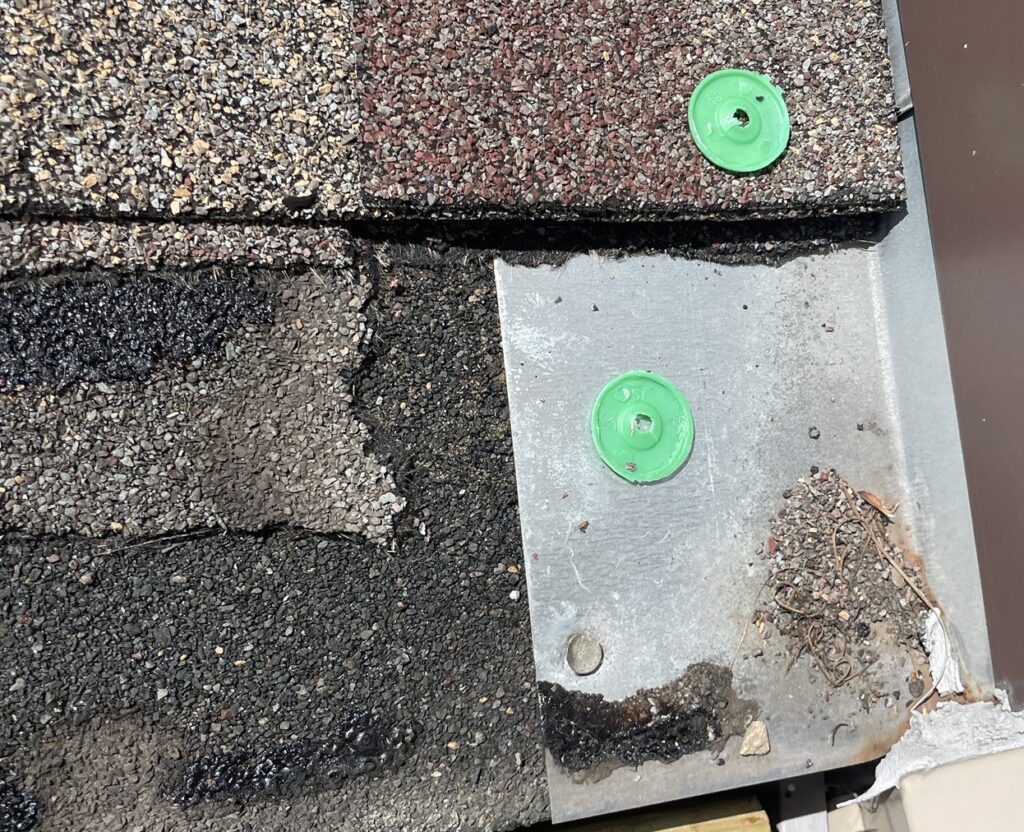
Navigating roofing insurance claims can be overwhelming, especially after a major storm. Our storm damage insurance claim assistance is designed to help homeowners through this process with clarity and support. We help identify damage, document findings, and ensure nothing is overlooked during inspections.
We do not decide coverage, but we advocate for accurate evaluations and proper documentation. Our goal is to help homeowners avoid missed damage and unnecessary claim denials.
- Damage identification: We document storm related roof damage.
- Adjuster coordination: We meet with adjusters during inspections.
- Process guidance: We explain next steps and expectations.
When To Consider Filing A Roofing Insurance Claim
Deciding whether to file a claim is an important decision that should not be rushed. Not all damage justifies a claim, especially when deductibles and claim history are considered. We help homeowners evaluate whether filing makes sense.
Filing unnecessary claims can impact premiums, while failing to file legitimate claims can leave homeowners paying out of pocket.
- Damage severity: Determines claim viability.
- Deductible comparison: Costs should be weighed.
- Long term impact: Claim history matters.
Why Professional Support Matters With Insurance Claims
Insurance policies are complex, and storm damage is not always obvious from the ground. Professional support helps ensure damage is properly identified and documented. This reduces the risk of overlooked issues that cause problems later.
We bring experience with storm damage inspections and insurance claim processes, helping homeowners navigate an otherwise stressful situation.
- Experienced evaluations: Identify less visible damage.
- Clear communication: Helps avoid misunderstandings.
- Informed decisions: Supports better outcomes.
Trust Lauren Exteriors To Help You Navigate Roofing Insurance
Roofing insurance coverage is never guaranteed and is always subjective based on your policy, roof condition, and cause of damage. What is covered and what is not depends on many factors that are often outside a homeowner’s control. At Lauren Exteriors, we are a family owned company built on honesty, integrity, and delivering real value to homeowners across Northern Wisconsin and the Upper Peninsula.
If your roof has been damaged by a storm or you are unsure whether insurance coverage may apply, contact us today to schedule a free inspection. We are here to provide storm damage insurance claim assistance, help document damage, and guide you through the process with confidence and transparency.