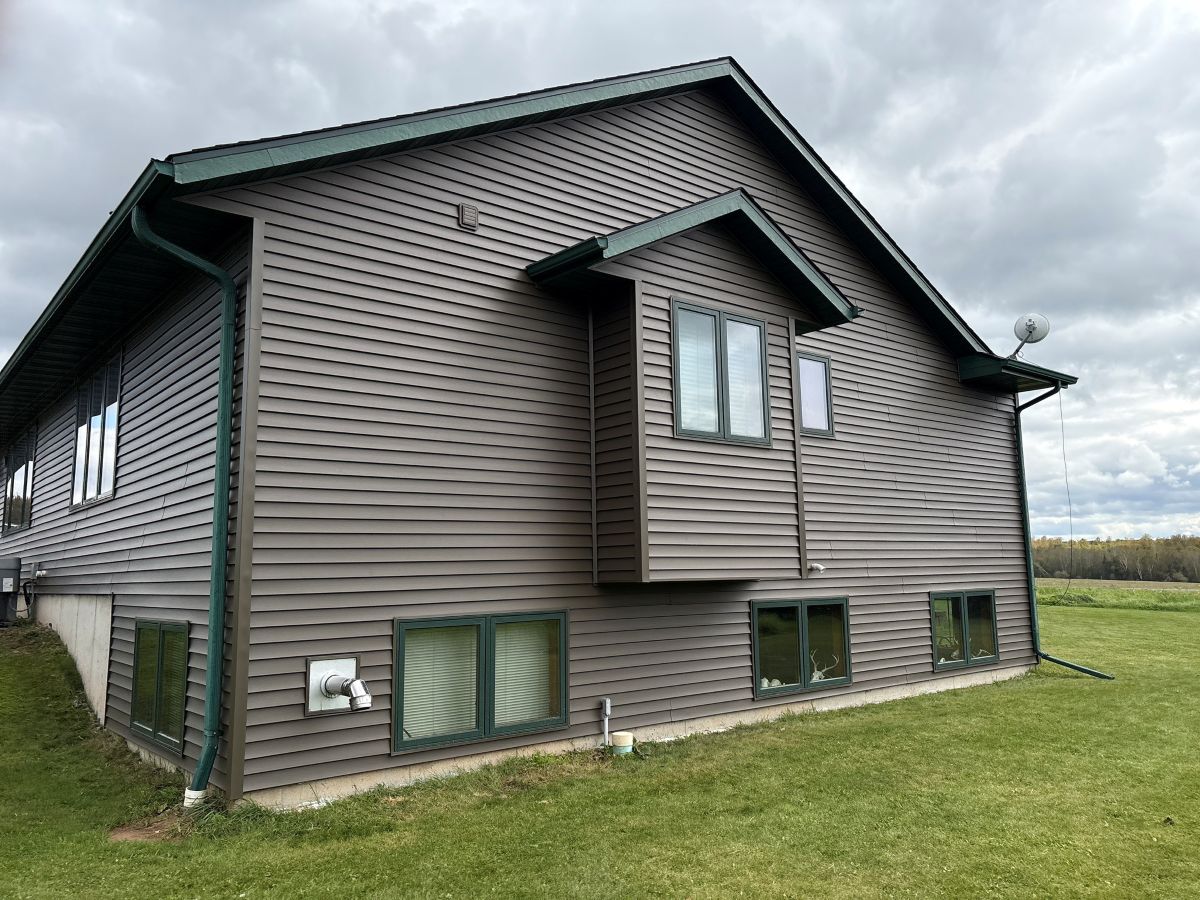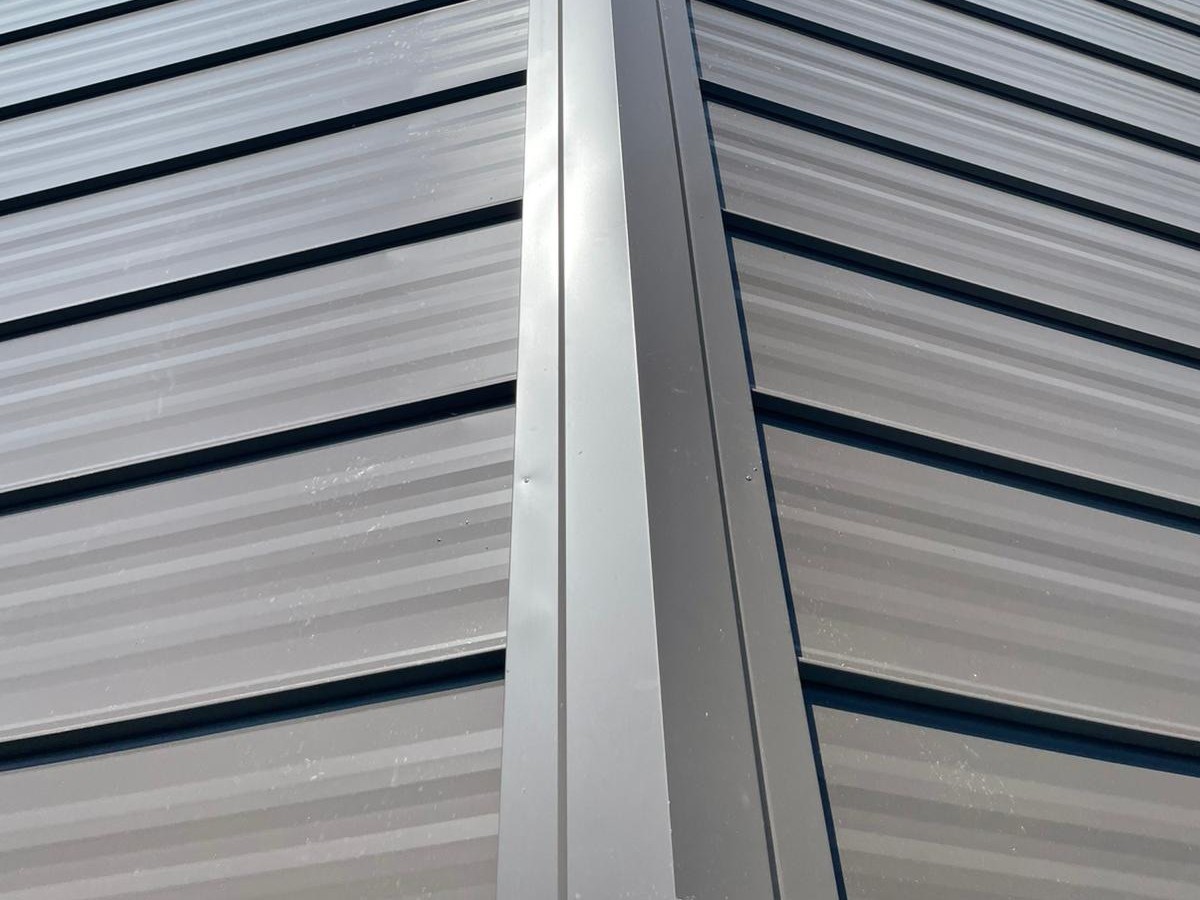
Metal roof maintenance is one of the most important steps homeowners can take to protect their investment and maximize the lifespan of their roofing system. While metal roofs are known for durability and longevity, they are not completely maintenance free. Regular inspections and preventative care help ensure your metal roof continues performing through heavy snow, strong winds, rain, and seasonal temperature swings common in Northern Wisconsin and the Upper Peninsula.
- Long term durability: Routine maintenance helps extend the life of your metal roof.
- Leak prevention: Early detection reduces the risk of costly water damage.
- Performance protection: Proper upkeep ensures panels, fasteners, and seams function as designed.
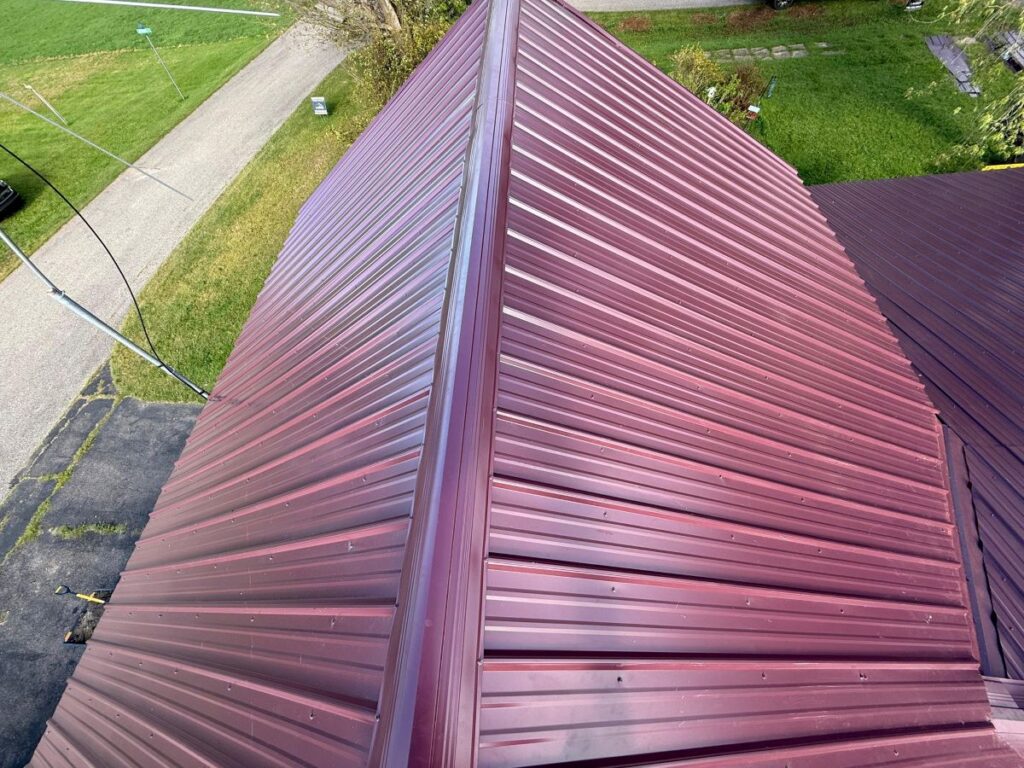
Why Metal Roof Maintenance Matters
Many homeowners choose metal roofing because of its reputation for strength and longevity. While metal roofs can last decades, neglecting routine care can still lead to problems. Fasteners can loosen, sealants can degrade, and debris can accumulate over time.
In our region, metal roofs face additional stress from snow loads, ice buildup, and freeze thaw cycles. These conditions can affect seams, flashing, and panel movement. Consistent metal roof maintenance allows us to identify small concerns before they turn into expensive repairs or structural issues.
- Weather resistance: Maintenance supports performance in harsh climates.
- Component longevity: Seals and fasteners need periodic review.
- Early intervention: Small fixes prevent larger damage.
8 Expert Tips for Metal Roof Maintenance
Following a structured checklist makes it easier to stay consistent with maintenance. While some steps can be handled safely from the ground, others are best addressed by professionals. These eight expert tips help ensure your metal roofing system remains secure and watertight.
1. Inspect The Roof At Least Twice Per Year
We recommend inspecting your metal roof in the spring and fall, along with additional checks after major storms. Even from the ground, you can often identify loose panels, debris buildup, or visible damage.
Routine inspections allow us to track changes over time and address concerns before they escalate. The earlier an issue is detected, the easier and less expensive it is to correct.
- Seasonal inspections: Spring and fall checks are essential.
- Storm follow ups: Evaluate after wind or hail events.
- Ongoing monitoring: Watch for visible changes.
2. Remove Debris From The Roof Surface
Leaves, branches, and dirt can accumulate on a metal roof, especially near valleys and edges. Debris traps moisture against the surface, which can lead to staining or corrosion over time.
Keeping the roof surface clear helps water drain properly and reduces unnecessary wear. It also improves the overall appearance of your home.
- Moisture reduction: Prevents water from sitting on panels.
- Drainage support: Keeps valleys clear.
- Surface preservation: Limits corrosion risk.
3. Clean Gutters And Downspouts
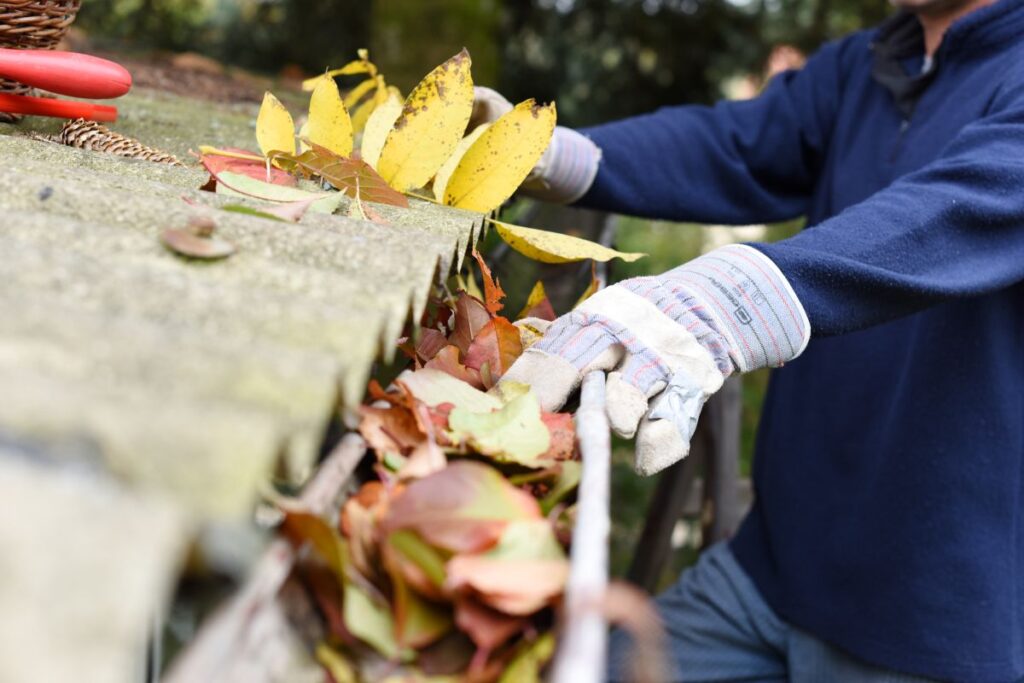
Proper drainage is critical for any roofing system. Clogged gutters can cause water to back up onto the roof edge, potentially affecting panels and flashing.
Regular gutter cleaning helps maintain water flow away from the home’s foundation and prevents ice dams during winter months.
- Water management: Directs runoff away from the roof.
- Ice prevention: Reduces winter buildup.
- Edge protection: Prevents overflow damage.
4. Check Fasteners And Screws
For exposed fastener systems, screws and fasteners should be checked periodically. Over time, expansion and contraction from temperature changes can cause fasteners to loosen slightly.
Loose fasteners can create small gaps that allow moisture infiltration. Tightening or replacing compromised screws helps maintain a secure seal.
- Seal integrity: Ensures washers remain compressed.
- Panel stability: Keeps metal panels secure.
- Leak prevention: Reduces entry points for water.
5. Inspect Seams And Sealants
Standing seam systems rely on properly locked seams, while other systems depend on sealants around flashing and penetrations. Over time, sealants can dry out or crack.
Inspecting these areas ensures water remains outside where it belongs. If sealant deterioration is identified early, reapplication can prevent more significant issues.
- Seam evaluation: Check for separation or movement.
- Sealant condition: Look for cracks or shrinkage.
- Proactive resealing: Address minor deterioration early.
6. Address Minor Scratches Or Coating Damage
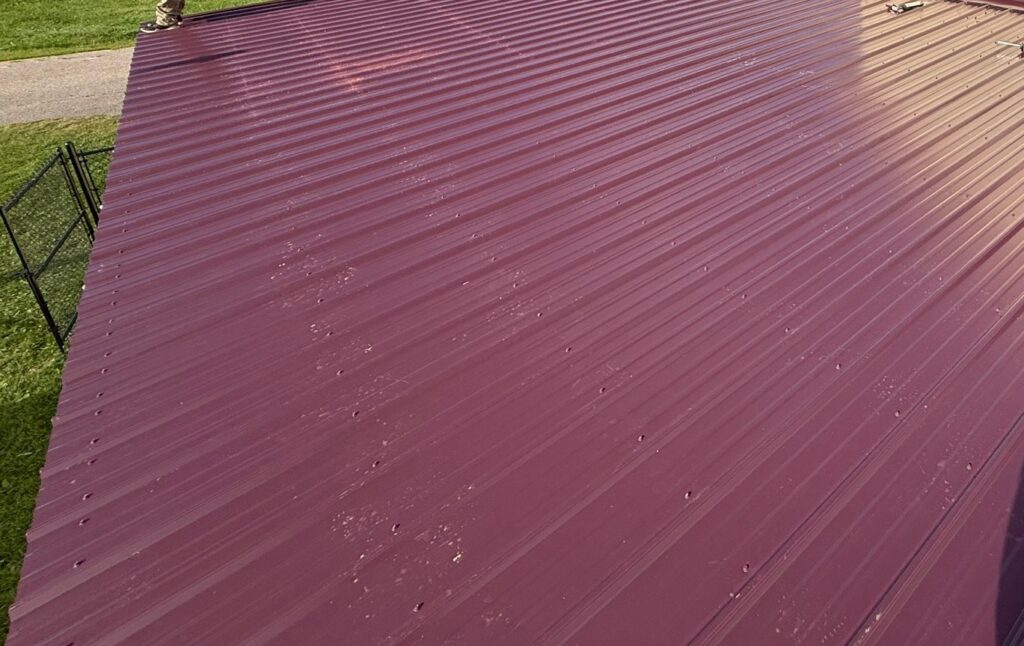
Metal panels are coated to resist corrosion and weathering. If scratches occur, especially after storms or debris impact, those areas should be addressed promptly.
Touch up paint or manufacturer approved coatings help protect exposed metal from rust. Addressing minor surface damage quickly preserves the roof’s protective finish.
- Coating protection: Maintains corrosion resistance.
- Surface care: Prevents rust formation.
- Aesthetic maintenance: Keeps roof looking clean.
7. Monitor For Signs Of Rust Or Corrosion
While modern metal roofing systems are designed to resist rust, corrosion can still develop if coatings are compromised. Regular monitoring helps catch early signs before they spread.
Small rust spots are easier to treat than widespread corrosion. Early intervention protects the structural integrity of the panels.
- Early detection: Catch corrosion before expansion.
- Structural preservation: Prevent panel weakening.
- Long term protection: Maintain roof strength.
8. Schedule Professional Metal Roof Inspections
While basic visual checks are helpful, professional inspections provide a deeper evaluation. We assess panel condition, flashing, underlayment performance, and overall system integrity.
Professional inspections are especially important after severe storms or if your metal roof is older. Expert assessment ensures small issues do not go unnoticed.
- Comprehensive review: Evaluate entire roofing system.
- Storm damage assessment: Identify hidden issues.
- Long term planning: Support maintenance strategy.
How Often Should Metal Roof Maintenance Be Performed
Consistency is key when it comes to metal roof maintenance. We recommend routine inspections twice per year and additional evaluations following significant weather events. Homes surrounded by trees or exposed to high winds may require more frequent attention.
Older metal roofs may also benefit from closer monitoring. Establishing a maintenance schedule helps prevent surprises and ensures your roof continues performing as expected.
- Twice yearly baseline: Spring and fall checks.
- Storm response: Inspect after severe weather.
- Age based adjustments: Older roofs need more attention.
Common Mistakes Homeowners Make With Metal Roofs
We occasionally see homeowners assume that metal roofing requires no maintenance at all. While metal is durable, ignoring upkeep can shorten its lifespan. Simple oversights can lead to avoidable damage.
Understanding what not to do is just as important as following a checklist.
- Skipping inspections: Allows small issues to worsen.
- Using harsh cleaners: Can damage protective coatings.
- Walking improperly: May dent panels or damage seams.
When To Call Us For Metal Roof Maintenance
If you notice loose panels, recurring leaks, rust spots, or damage after a storm, it is time to schedule a professional evaluation. Attempting complex repairs without experience can create more problems than it solves.
We have the tools and expertise to safely assess and maintain metal roofing systems. Our experience with local weather conditions ensures your roof receives care tailored to this region.
- Visible damage: Panels, fasteners, or flashing concerns.
- Post storm uncertainty: Hail or wind impact.
- Preventative care: Professional maintenance planning.
Protect Your Investment With Proper Metal Roof Maintenance
Staying consistent with metal roof maintenance helps ensure your roofing system performs reliably for decades. Regular inspections, debris removal, and professional evaluations all play a role in protecting your home from unnecessary damage. At Lauren Exteriors, we are a family owned company built on honesty, integrity, and delivering real value to homeowners throughout Northern Wisconsin and the Upper Peninsula.
If you want to make sure your metal roof is in top condition or need help with maintenance after a storm, contact us today to schedule a free inspection. We are here to help you protect your investment and keep your home secure year after year.