Roof inspection is one of the most important steps homeowners can take to protect their home from costly damage and unexpected repairs. We often see small roofing issues turn into major problems simply because warning signs were overlooked. Catching concerns early through a professional inspection can extend the life of your roof and prevent interior damage.
- Early problem detection: Inspections help identify issues before leaks develop.
- Cost control: Addressing minor damage is far less expensive than full repairs.
- Peace of mind: Knowing your roof is in good condition reduces stress during storms.
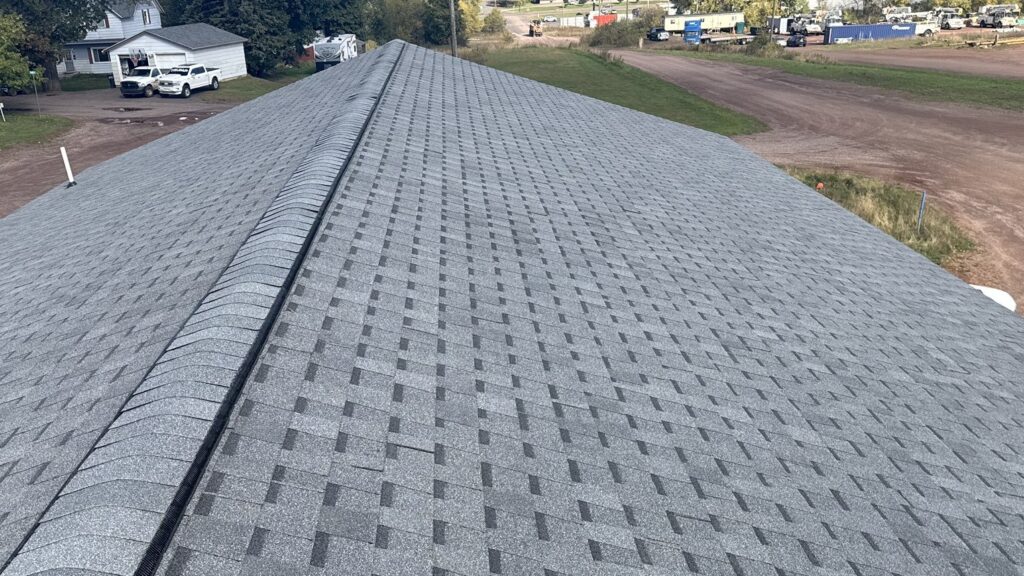
Why Regular Roof Inspections Matter
Many homeowners assume their roof is fine if they do not see water stains on the ceiling. Unfortunately, roof damage often develops gradually and may not be visible from inside the home. By the time interior signs appear, the damage has usually progressed further than expected.
In Northern Wisconsin and the Upper Peninsula, roofs face heavy snow, ice dams, wind, and seasonal temperature swings. These conditions can weaken shingles, flashing, and underlying materials over time. Regular inspections allow us to assess the full roofing system and identify issues before they compromise your home.
- Hidden damage detection: Not all roof problems are visible from inside.
- Storm impact evaluation: Wind and hail damage can go unnoticed.
- System wide review: Inspections assess shingles, flashing, and ventilation.
7 Signs You Should Schedule A Roof Inspection
Some roofing problems are obvious, while others are subtle. Knowing what to look for can help you determine when it is time to schedule a professional roof inspection. If you notice any of the signs below, we recommend having your roof evaluated.
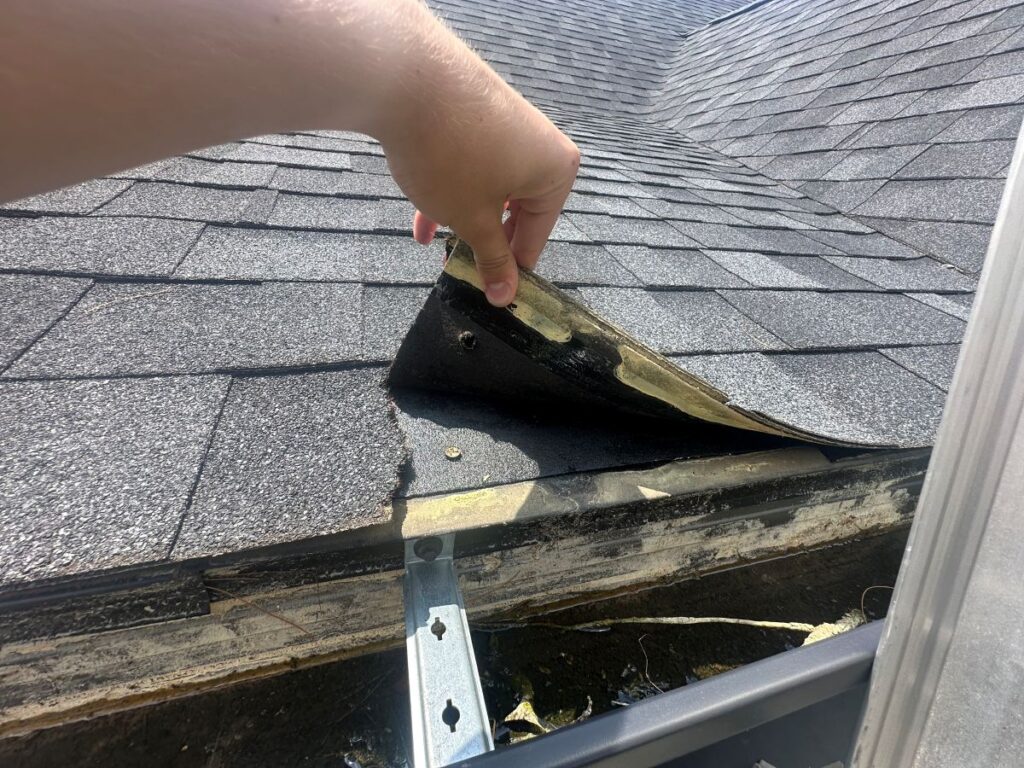
1. Missing Or Damaged Shingles
Shingles that are cracked, curled, or completely missing leave your roof vulnerable to water intrusion. Even a small section of missing shingles can expose the underlayment and decking to moisture.
- Wind exposure: Missing shingles often result from storm damage.
- Water risk: Exposed areas increase leak potential.
- Progressive damage: Small issues can spread quickly.
2. Granules In Your Gutters
Asphalt shingles shed granules as they age. While some granule loss is normal, excessive amounts in your gutters can signal that your shingles are deteriorating.
- Shingle wear: Granule loss reduces UV protection.
- Accelerated aging: Indicates shingles may be nearing end of life.
- Performance decline: Compromised shingles protect less effectively.
3. Water Stains On Ceilings Or Walls
Brown or yellow stains on ceilings often indicate a roof leak. Even small stains should not be ignored, as moisture can spread through insulation and framing.
- Active leaks: Water intrusion may already be occurring.
- Interior damage: Drywall and insulation can be affected.
- Mold risk: Moisture creates conditions for mold growth.
4. Sagging Roof Areas
A sagging roofline is a serious concern that requires immediate attention. This may indicate structural issues, water damage, or weakened decking.
- Structural warning: Sagging suggests compromised support.
- Moisture damage: Long term leaks may weaken materials.
- Urgent evaluation: Immediate inspection is recommended.
5. Damaged Flashing Around Roof Penetrations
Flashing around chimneys, vents, and skylights protects against water intrusion. If flashing becomes loose, cracked, or rusted, leaks can develop quickly.
- High risk areas: Roof penetrations are common leak points.
- Seal failure: Damaged flashing allows water entry.
- Targeted repairs: Early fixes prevent larger problems.
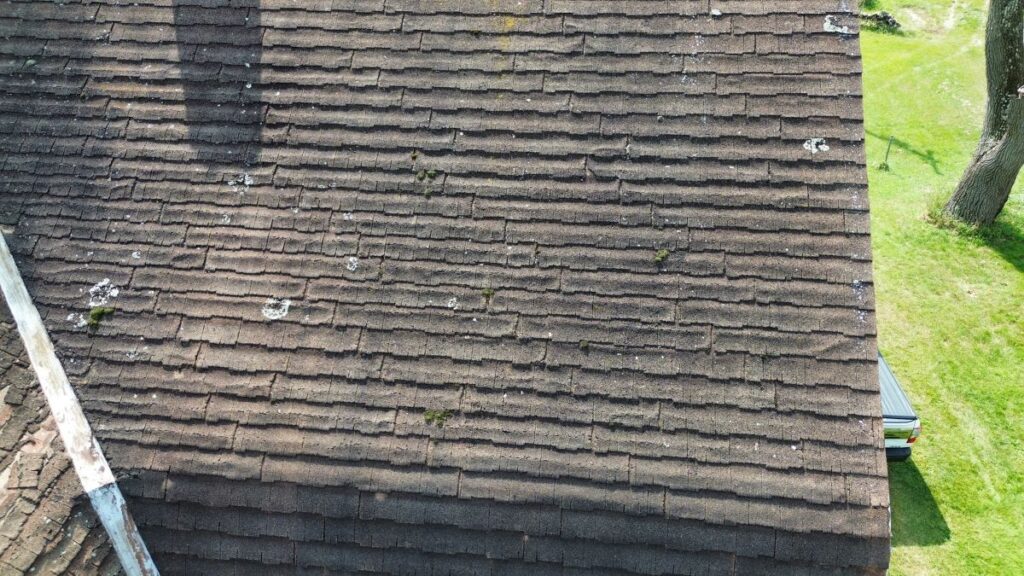
6. Moss Or Algae Growth
Moss may look harmless, but it traps moisture against your shingles. Over time, this can accelerate deterioration and shorten roof lifespan.
- Moisture retention: Moss keeps shingles damp.
- Surface breakdown: Prolonged moisture weakens materials.
- Preventable damage: Early removal helps preserve shingles.
7. Recent Severe Storm Activity
Even if you do not see obvious damage, severe storms can compromise your roof. Hail and strong winds may cause subtle issues that worsen over time.
- Hail impact: Damage may not be visible from the ground.
- Wind uplift: Shingles may loosen without falling off.
- Post storm precaution: Inspections confirm roof condition.
What Happens During A Professional Roof Inspection
When we perform a roof inspection, we evaluate the entire roofing system, not just the shingles. This includes flashing, ventilation, underlayment condition, and visible structural components. We also look for signs of storm damage that homeowners may not notice.
Our goal is to provide clear, honest feedback. If your roof is in good condition, we will tell you. If we identify concerns, we will explain the next steps and provide practical recommendations.
- Comprehensive review: We assess the full roofing system.
- Clear communication: You receive straightforward findings.
- Action plan: Recommendations are based on actual conditions.
How Often Should You Schedule A Roof Inspection
We recommend scheduling a roof inspection at least once a year, along with additional inspections after major storms. Older roofs may require more frequent evaluations. Consistency is key to preventing long term damage.
Regular inspections help homeowners plan ahead rather than react to emergencies. Proactive care protects both your roof and your budget.
- Annual inspections: Helps monitor roof condition.
- Storm follow ups: Important after severe weather.
- Age consideration: Older roofs need closer monitoring.
Protect Your Home With A Professional Roof Inspection
A roof inspection is one of the simplest and most effective ways to protect your home from unexpected damage. Ignoring warning signs can lead to costly repairs and unnecessary stress. At Lauren Exteriors, we are a family owned company built on honesty, integrity, and delivering real value to homeowners throughout Northern Wisconsin and the Upper Peninsula.
If you have noticed any of these warning signs or simply want peace of mind about your roof’s condition, contact us today to schedule a free inspection. We are here to help you protect your home and make informed decisions about your roofing needs.