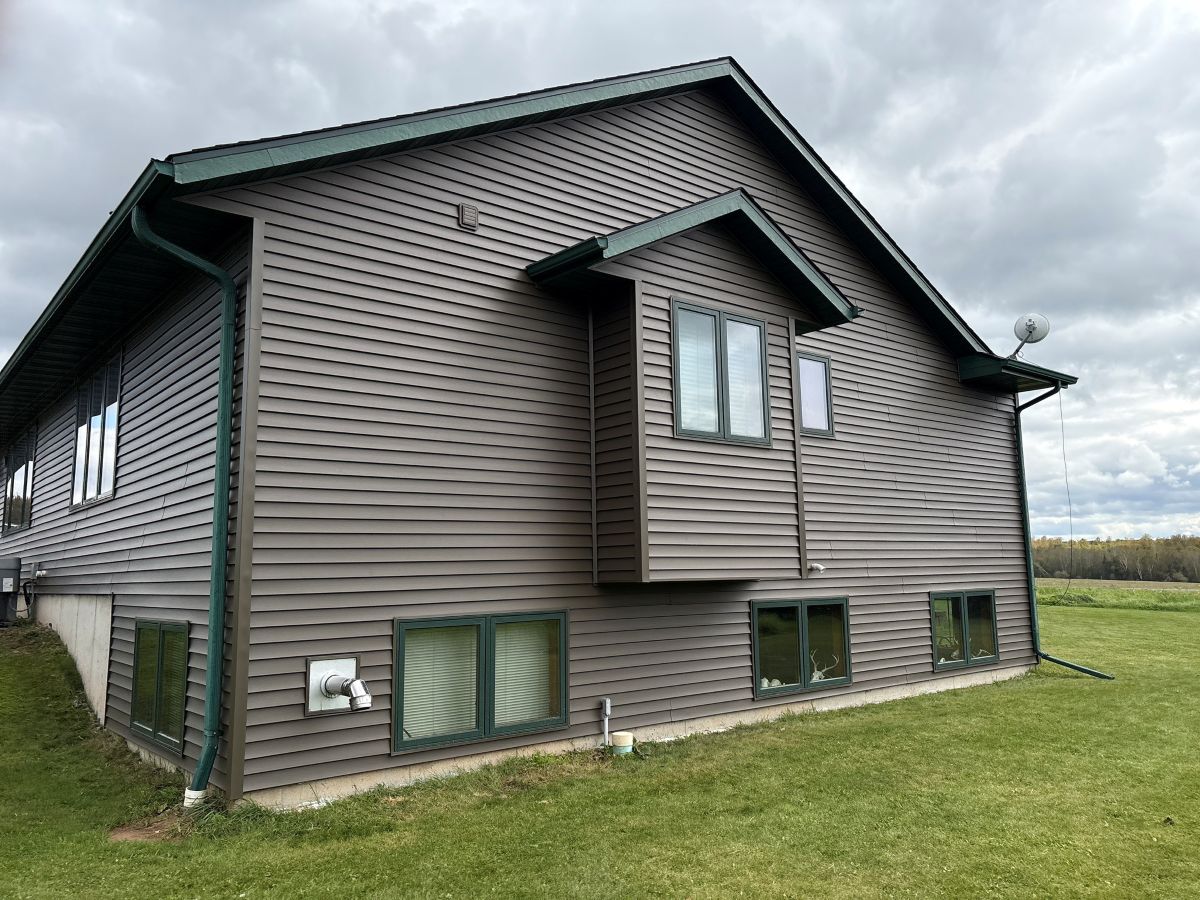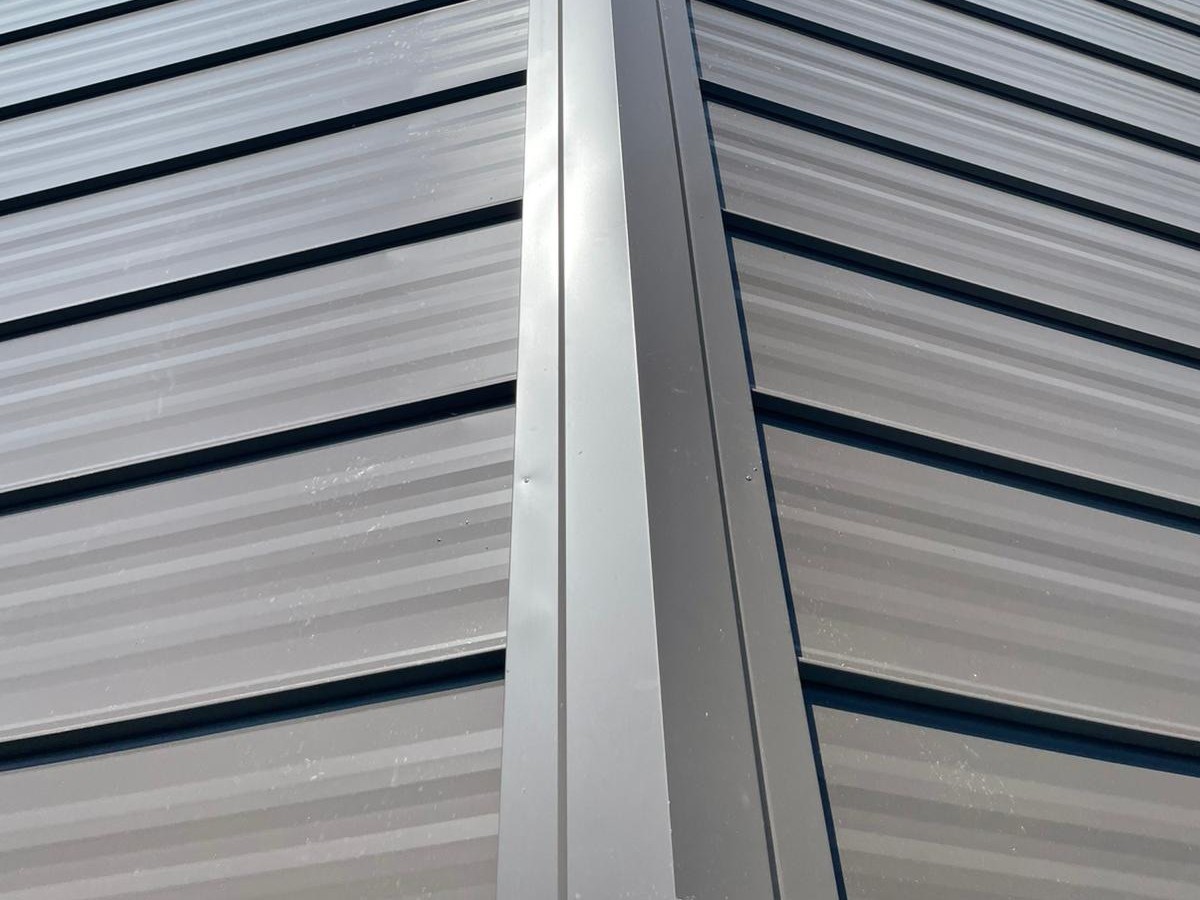
Types of siding play a major role in how your home looks, performs, and holds up against harsh weather conditions throughout the year. Your siding is more than just curb appeal. It protects your home from moisture, wind, temperature swings, and long term structural damage. Choosing the right material requires balancing durability, maintenance, cost, and appearance.
- Exterior protection: Siding shields your home from rain, snow, and wind.
- Energy efficiency: The right material supports insulation and comfort.
- Curb appeal impact: Siding dramatically influences your home’s appearance.
Why Choosing The Right Siding Matters
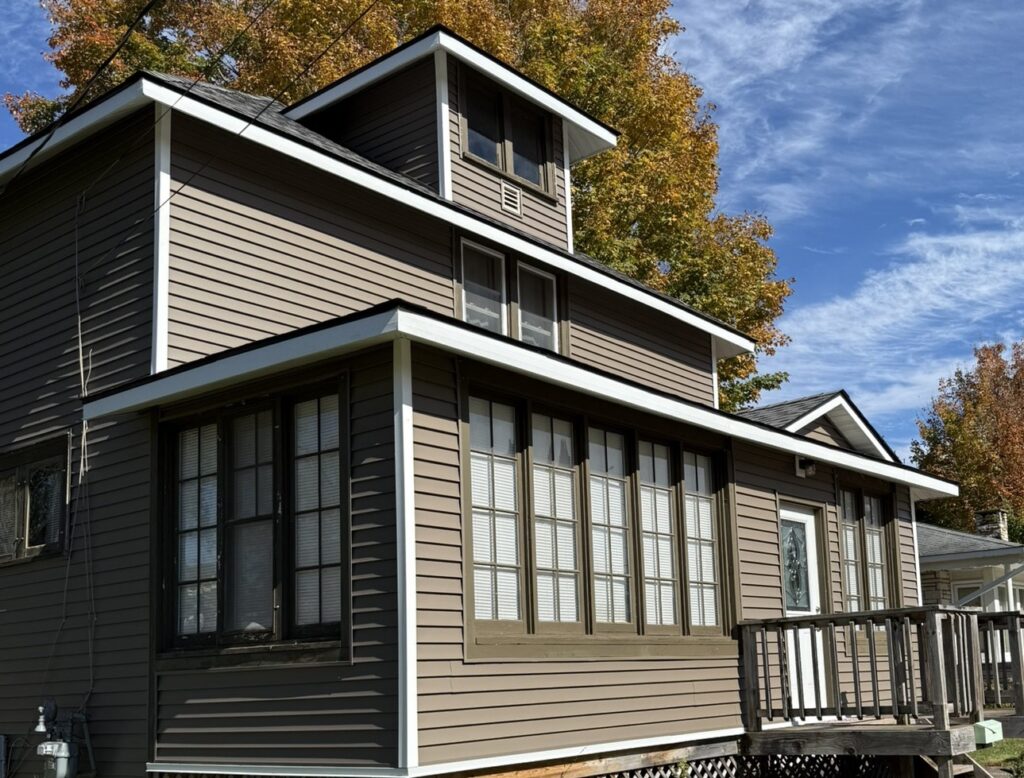
We often tell homeowners that siding is one of the most important exterior investments they can make. Poor quality materials or improper installation can lead to moisture intrusion, rot, and costly repairs. On the other hand, selecting the right siding can improve energy efficiency and boost property value.
In Northern Wisconsin and the Upper Peninsula, siding must withstand freezing temperatures, heavy snowfall, high winds, and seasonal storms. Not every material performs equally in these conditions. Understanding the pros and limitations of each option helps ensure your home stays protected year after year.
- Climate durability: Materials must handle freeze thaw cycles.
- Moisture resistance: Preventing water damage is critical.
- Long term performance: Quality siding reduces maintenance needs.
5 Types Of Siding To Consider
There are several types of siding available, but five materials remain the most common choices for homeowners in 2026. Each option has its own strengths and considerations. Below, we break down what you need to know before deciding which one is best for your home.
- Vinyl siding: Affordable, low maintenance, and widely popular.
- Fiber cement siding: Durable and resistant to moisture and fire.
- Engineered wood siding: Offers natural appearance with added durability.
- Metal siding: Strong, modern, and highly weather resistant.
- Traditional wood siding: Classic appearance with higher maintenance needs.
Vinyl Siding
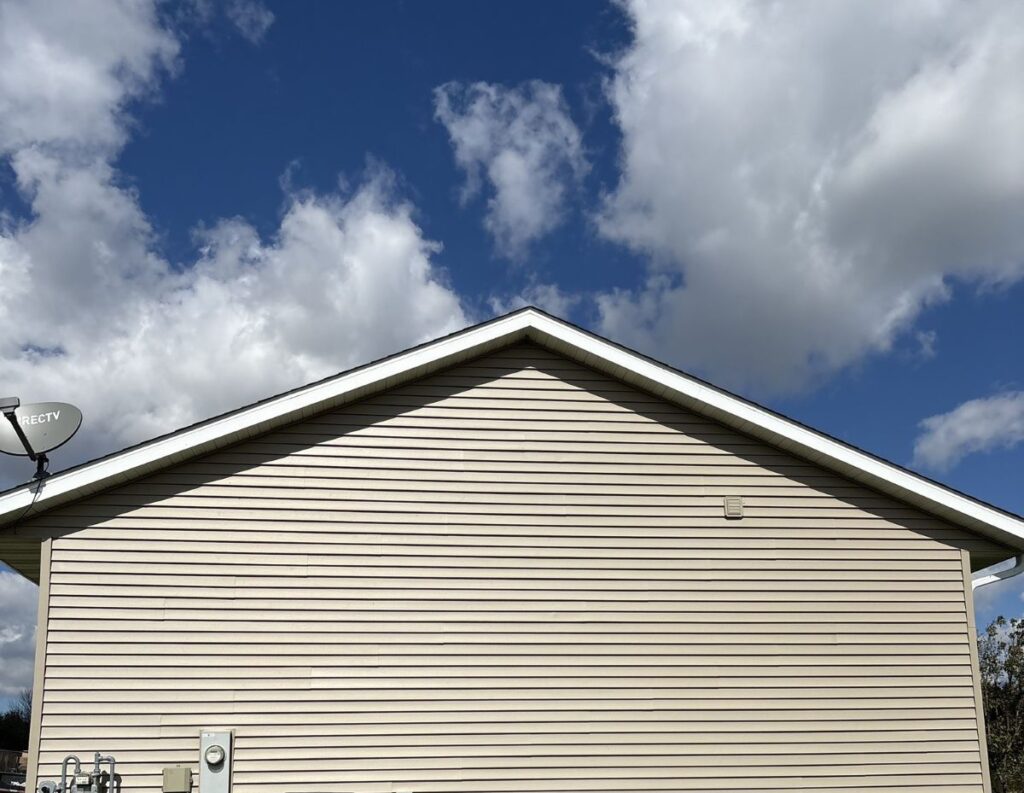
Vinyl siding continues to be one of the most popular types of siding for residential homes. It is known for affordability, versatility, and low maintenance requirements. Modern vinyl products offer improved durability and better color retention than older generations.
Vinyl siding does not require painting and is resistant to pests and rot. However, extreme temperature fluctuations can cause expansion and contraction, which makes proper installation essential.
- Low maintenance: No painting required.
- Budget friendly: Cost effective for many homeowners.
- Color variety: Wide range of styles and finishes.
Fiber Cement Siding
Fiber cement siding is known for strength and longevity. Made from a blend of cement, sand, and cellulose fibers, this material offers strong resistance to fire, moisture, and pests. It can mimic the appearance of wood while providing improved durability.
While fiber cement is heavier and more labor intensive to install, it performs exceptionally well in harsh climates. It is a strong choice for homeowners prioritizing longevity.
- Moisture resistance: Handles rain and snow well.
- Fire resistance: Non combustible material.
- Wood like appearance: Offers natural aesthetic options.
Engineered Wood Siding
Engineered wood siding provides the look of real wood with enhanced durability. It is manufactured using wood strands and resins designed to resist moisture and impact. This makes it a popular middle ground between vinyl and traditional wood.
It offers strong curb appeal while reducing some of the maintenance associated with natural wood. Proper sealing and installation remain important for performance.
- Natural appearance: Closely resembles real wood.
- Improved durability: Designed to resist impact.
- Moderate maintenance: Less upkeep than traditional wood.
Metal Siding
Metal siding, including steel and aluminum, is gaining popularity for its modern look and durability. It is highly resistant to weather and can withstand strong winds and heavy snow loads.
Metal siding requires minimal maintenance and performs well in extreme conditions. However, dents from impact and potential noise during storms are considerations.
- Weather durability: Excellent in harsh climates.
- Modern style: Clean, contemporary look.
- Low maintenance: Resistant to pests and rot.
Traditional Wood Siding
Wood siding offers timeless beauty and natural warmth that many homeowners appreciate. It can be painted or stained in a variety of colors, allowing for customization.
However, wood requires regular maintenance to prevent rot, insect damage, and moisture issues. In climates with heavy precipitation, consistent upkeep is especially important.
- Classic appearance: Warm, natural look.
- Custom finish options: Paint or stain flexibility.
- Higher maintenance: Requires regular care.
Comparing The Most Popular Types Of Siding
Each of these types of siding offers unique benefits. Vinyl provides affordability and simplicity, fiber cement delivers durability, engineered wood balances aesthetics and performance, metal offers modern resilience, and traditional wood brings natural beauty.
The best option depends on your priorities. Budget, maintenance tolerance, architectural style, and climate conditions all influence the right choice.
- Best for low maintenance: Vinyl or metal.
- Best for durability: Fiber cement.
- Best for natural appearance: Engineered wood or traditional wood.
Factors To Consider Before Making Your Decision
Choosing between different types of siding involves more than appearance. Insulation performance, installation quality, and long term maintenance all affect overall value.
We evaluate your home’s structure, exposure to weather, and design goals before recommending a solution. This ensures your siding performs as expected and complements your home.
- Budget planning: Consider upfront and long term costs.
- Weather exposure: Harsh climates require stronger materials.
- Installation expertise: Proper installation is critical.
Why Professional Installation Matters
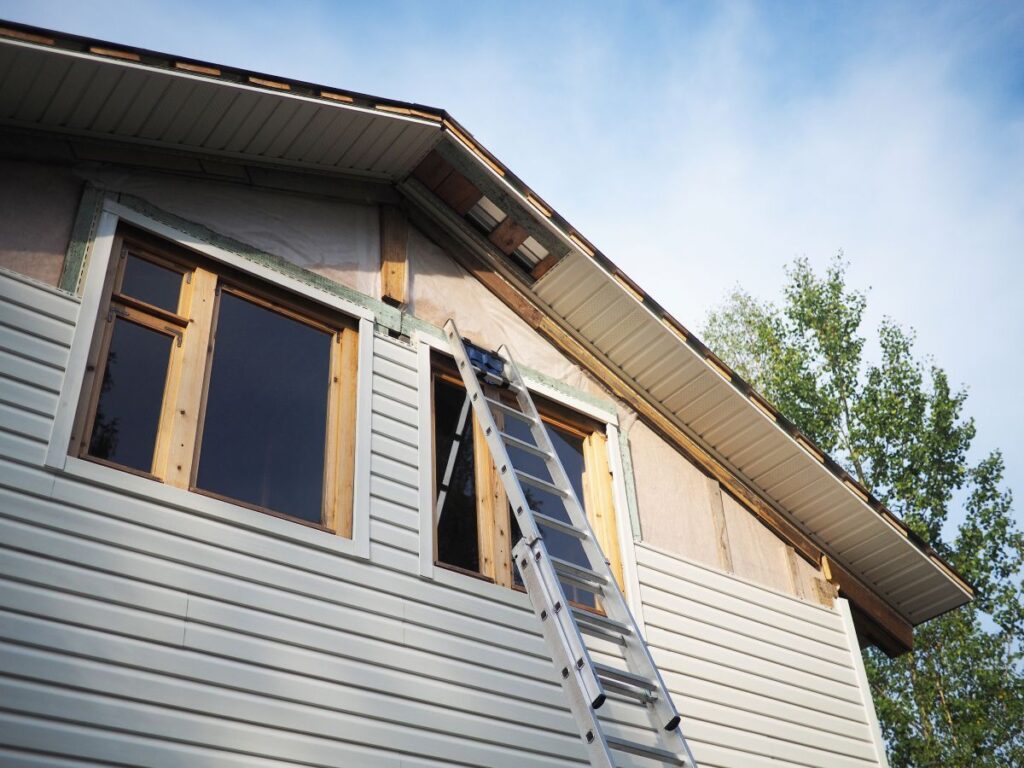
Even the highest quality siding can fail if installed improperly. Moisture barriers, flashing, and fastening techniques must be handled correctly to prevent water intrusion and structural damage.
Our team ensures siding systems are installed with precision and according to manufacturer guidelines. This protects warranties and ensures long term performance.
- Moisture control: Proper layering prevents leaks.
- Warranty protection: Correct installation preserves coverage.
- Long term durability: Precision matters.
Let Us Help You Choose The Right Type Of Siding
Understanding the different types of siding helps you make an informed decision about what is best for your home. Each material offers its own combination of durability, appearance, and maintenance requirements. The right choice depends on your goals, budget, and how your home is exposed to the elements.
At Lauren Exteriors, we are a family owned company built on honesty, integrity, and delivering real value to homeowners throughout Northern Wisconsin and the Upper Peninsula. If you are considering new siding or want guidance on which material fits your home best, contact us today to schedule a free inspection. We are here to help you protect your home and enhance its curb appeal with confidence.